

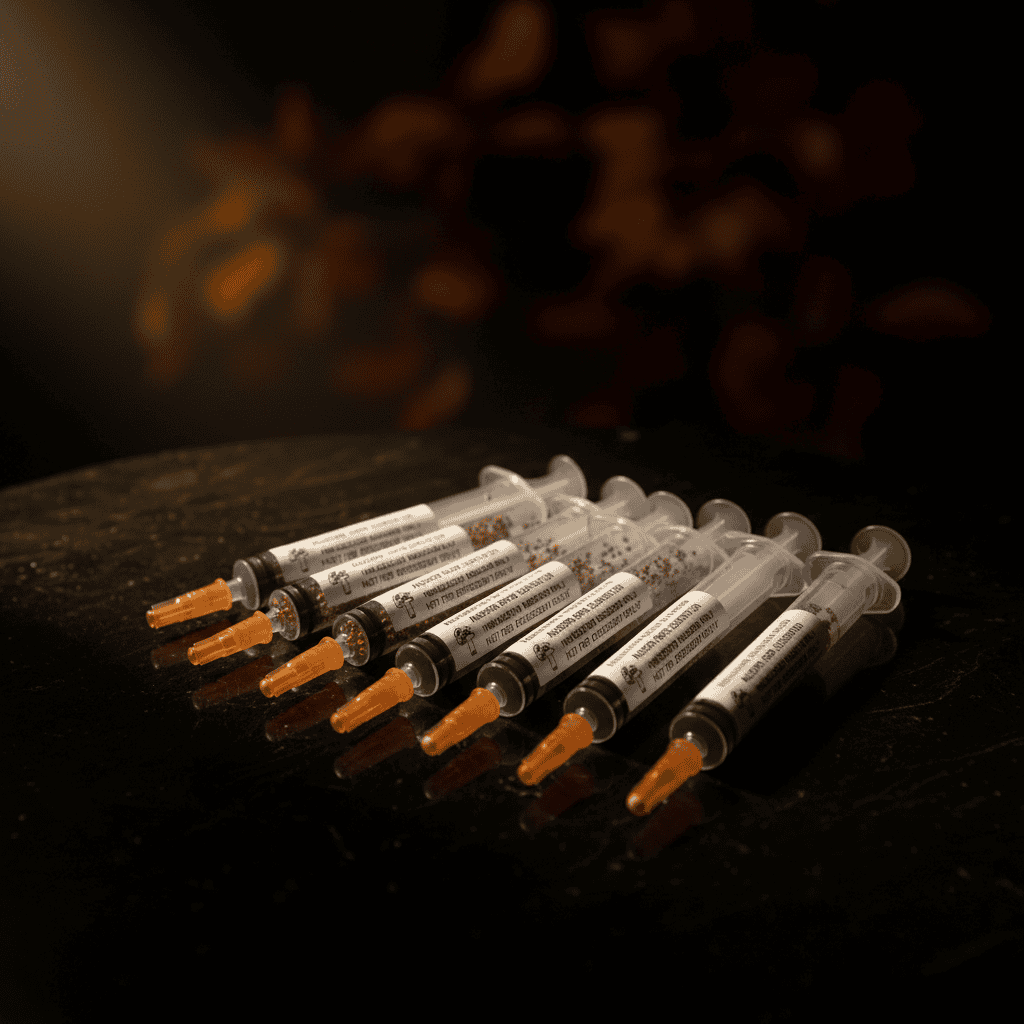
You just invested in premium mushroom spores for your microscopy research. They arrive perfectly packaged, you tuck them into the fridge, and then reality hits—how long will they actually stay viable? Nobody wants to discover their carefully stored spores have lost their germination potential right when they’re ready to start their next project.
The lifespan of mushroom spores varies dramatically based on storage format and conditions. Spore syringes typically last 6-12 months when refrigerated, while spore prints can remain viable for over a decade. Understanding these timelines and the factors that influence spore longevity can save you money, frustration, and ensure your research materials are always ready when you need them. Additionally, understanding mushroom spores—especially their characteristics and how environmental factors affect them—is crucial for optimizing storage and maximizing their longevity.
Understanding Mushroom Spore Viability
Before diving into storage techniques, let’s clarify what we mean by “viable” spores. Spore viability refers to a spore’s ability to germinate and develop into healthy mycelium when placed in suitable growing conditions. Think of it like seed germination—a viable spore contains all the biological machinery needed to spring back to life when the environment is right. Mushroom spores act as reproductive units, essential for the propagation of fungi and the continuation of their lifecycle.
What Does “Spore Viability” Mean?
In practical terms, viability is what separates a living spore from a dead one. A viable spore can successfully germinate on agar or in liquid culture, producing the white, fuzzy mycelial growth that mycology enthusiasts and researchers look for. When spores lose viability, they may appear visually identical but simply won’t germinate no matter how perfect your conditions are. This outcome is often referred to as ‘failed germination’ and serves as a key indicator of lost spore viability.
This is why proper storage is crucial. Even the highest-quality spores from the most reputable vendors will degrade over time if not stored correctly. The good news? With the right techniques, you can preserve spore viability for years.
The Science of Spore Dormancy
Mushroom spores are masters of survival. Scientific research has documented fungal spores remaining viable after 17 years of storage, thanks to remarkable biochemical adaptations. Fungal spores are the reproductive structures of fungi, a biological group that includes mushrooms and other related organisms. Spores enter a state of metabolic dormancy, during which they produce protective compounds like trehalose (a sugar that stabilizes proteins) and dramatically reduce their water content.
During dormancy, the spore’s cytoplasm becomes highly viscous, protecting cellular structures from damage. This natural preservation mechanism is why spores can outlast virtually any other stage of a mushroom’s life cycle.
Spore Longevity by Storage Format
Not all spore formats are created equal when it comes to shelf life. The format you choose should align with your timeline and intended use. Several factors, such as storage conditions, spore type, and environmental influences, impact how long spores last in each format. Let’s break down the realistic expectations for each type.
Spore Syringes
Spore syringes are incredibly popular due to their convenience, but they’re also the most perishable format. When stored in a refrigerator at 35-50°F, properly prepared syringes typically remain viable for 6-12 months. At room temperature, that window shrinks dramatically to just 30 days or less.
The liquid suspension that makes syringes convenient is also their weakness. Healthy spore syringes should have spores evenly suspended throughout the liquid, without clumping or sediment, indicating freshness and viability. Water provides an environment where contaminants can thrive if sterile technique wasn’t perfect. Refrigeration is essential—cold temperatures slow both microbial growth and spore degradation.
Spore Prints
Spore prints are the marathon runners of long-term storage. When properly dried and stored in airtight containers with desiccant packets, spore prints can remain viable for up to 20 years in optimal conditions. Spore prints are created by collecting spores from the mushroom cap, which serves as the source for these prints. Most mycologists report reliable germination from prints stored 5-10 years, making them ideal for preserving rare genetics or building a long-term collection.
The key is that spore prints are completely dry. Without moisture, there’s virtually no risk of contamination, and the spores can remain in their protective dormant state indefinitely. This is why serious collectors and researchers often prefer prints over syringes when long-term preservation is the goal.
Spore Swabs and Vials
Swabs typically last 2-5 years when stored properly, while liquid spore vials have a shelf life of 1-2 years. Swabs fall between prints and syringes in terms of longevity—they’re drier than syringes but not as completely dehydrated as prints. Vials, similar to syringes, contain liquid that can degrade over time.
These formats are often used for specific applications where their convenience outweighs longevity concerns. For microscopy research within a 1-3 year timeframe, either format works well.
Optimal Storage Conditions
Regardless of format, three environmental factors determine how long your spores remain viable: temperature, humidity, and light. Get these right, and you’ll maximize shelf life across all formats. Maintaining these conditions is essential for achieving optimal longevity of your mushroom spores.
Temperature Requirements
The ideal storage temperature for most mushroom spores is between 35-50°F (2-10°C)—essentially standard refrigerator temperature. Research on long-term spore preservation shows that refrigeration at 4°C can maintain viability for 1-3 years for liquid formats and even longer for dry formats. Maintaining these temperatures helps preserve the viability of the fungus by protecting its reproductive spores.
Room temperature storage significantly reduces longevity. At 68°F and above, metabolic processes speed up, protective compounds break down faster, and contamination risks increase. While short-term room temperature storage won’t immediately kill spores, refrigeration is strongly recommended for anything you plan to keep more than a few weeks.
Freezing is controversial. Ice crystal formation can damage spore structures, though some advanced preservation techniques use ultra-low temperatures (-80°C) with cryoprotectants. For home storage, stick with refrigeration rather than your standard freezer.
Humidity Control
Moisture is the enemy of long-term spore storage. Ideal humidity levels are below 10%, achieved through desiccant packets (silica gel) stored alongside your spores. Even in airtight containers, residual moisture can lead to condensation when temperatures fluctuate. Using desiccant packets and airtight containers helps prevent exposure of spores to moisture and contaminants, which can compromise their viability.
This is especially critical for spore prints. A single instance of condensation can rehydrate spores enough to trigger germination attempts or allow mold spores to colonize the print. Many mycologists use food-safe desiccant packets and replace them every 6-12 months to ensure continuous protection.
Light Exposure Considerations
UV light degrades spore cells over time, breaking down protective structures and DNA. Store spores in opaque containers or in dark locations like a refrigerator drawer. Clear containers are fine if kept in complete darkness, but amber or opaque containers add an extra layer of protection against accidental light exposure.
Handling Mushroom Spores
Handling mushroom spores is a critical step in ensuring their long-term viability and the success of your mushroom cultivation projects. Whether you’re working with spore syringes, spore prints, or wild mushrooms, careful handling can make all the difference between successful germination and failed attempts.
When working with spore syringes, always prioritize sterility. Use sterile gloves and a sterile syringe, and conduct your work in a controlled environment—such as a still-air box or laminar flow hood—to minimize the risk of airborne spores or contaminants entering your spore solution. Even a small lapse in sterile technique can introduce bacteria or mold, which can quickly compromise the entire syringe and reduce spore viability.
Proper storage goes hand-in-hand with careful handling. Always store mushroom spores in a sealed container, ideally in the fridge, to maintain a stable environment and extend their shelf life. Avoid exposing your spores to direct sunlight, high heat, or fluctuating temperatures, as these factors can damage spores and shorten their viability. For spore syringes, keeping the mushroom spores suspended in distilled water and stored correctly can help them remain viable for extended periods—often up to 12-18 months.
Regularly inspect syringes for any signs of contamination, such as cloudiness, foul odor, or visible mold. If you notice any of these warning signs, it’s best to discard the syringe to prevent contamination from spreading to your other cultures. Careful handling also means avoiding unnecessary agitation or exposure to ice crystals, which can damage the delicate spores inside the syringe.
The quality of your spore solution is another key factor in successful mushroom cultivation. A higher spore concentration and good spore quality can significantly improve your chances of successful germination. Always source your spores from reputable vendors and handle them with care from the moment they arrive. This is especially important when working with magic mushrooms or rare wild mushrooms, where maintaining genetic integrity and spore longevity is crucial.
To prevent contamination and maintain spore viability, always work in a clean, dark place and avoid exposure to light and airborne spores. Using handy tools like sterile syringes and sealed containers, and following careful handling protocols, will help you store mushroom spores properly and ensure they remain viable for as long as possible.
In summary, successful mushroom growing depends on a combination of proper storage, careful handling, and maintaining a sterile environment. By understanding the factors affecting spore longevity and taking the necessary precautions, you can optimize your cultivation techniques and enjoy healthy, thriving mushrooms from your spores—whether you’re working with cultivated varieties or exploring the fascinating world of wild mushrooms.
Species-Specific Storage Differences
Different mushroom species have evolved different spore characteristics, and these variations affect storage longevity. Many spores from various mushroom species can survive for extended periods, but their longevity is influenced by species-specific traits. Understanding these differences helps set realistic expectations for your collection.
Psilocybe cubensis spores—including popular varieties like Golden Teacher and Penis Envy—tend to be quite resilient with proper storage. These thick-walled spores can maintain viability for 2-3 years in syringe format and much longer as prints.
Gourmet species show more variation. Agaricus bisporus (common button mushroom) spores typically last 6 months to 1 year even under optimal conditions. Pleurotus species (oyster mushrooms) fall in the middle range at 1-2 years. Ganoderma lucidum (reishi) spores are particularly hardy and can remain viable for several years.
The difference comes down to spore wall thickness and natural durability. If you’re collecting multiple species, keep notes on acquisition dates—longevity will vary.
Signs Your Spores Have Gone Bad
How do you know if your stored spores are still good? Visual inspection and germination testing provide the answers. For spore solutions, check for clarity and ensure there is no visible contamination as part of the assessment process.
Visual Indicators
For spore syringes, cloudiness is the first red flag. Fresh syringes should be relatively clear with visible spore particles. If the liquid appears milky, cloudy, or has developed film or floating masses, bacterial contamination has likely occurred. Discoloration—particularly yellowing or greenish tints—also indicates problems.
Spore prints should remain dark purple-brown to black (for most species) and powdery dry. Any signs of moisture, color change, or fuzzy growth suggest the print has degraded or developed contamination. Clumping can occur naturally over time but excessive clumping may indicate moisture exposure.
Odor and Contamination
Smell is a powerful diagnostic tool. Healthy spores are essentially odorless or have a faint earthy smell. Foul, sour, or putrid odors indicate bacterial contamination. If you open a syringe and it smells off, trust your nose—that sample is no longer viable. These warning signs are similar to those found in contaminated liquid cultures, which also develop unpleasant odors when compromised.
For prints and dry formats, any musty or moldy smell suggests moisture infiltration and fungal contamination. These samples should be discarded rather than risk introducing contaminants to your sterile work.
Viability Testing Methods
The only definitive test is germination. Place a small sample on agar using sterile technique and incubate at appropriate temperatures (usually 70-75°F). Viable spores should show visible mycelial growth within 3-7 days. No growth after two weeks strongly suggests the spores have lost viability. This is standard practice in mycology workflows before committing to larger projects. Ensuring spore viability through testing is essential for successful cultivation outcomes.
How to Extend Spore Shelf Life
Beyond basic refrigeration, several techniques can add months or years to your spores’ viable lifespan. To maximize longevity and prevent contamination, it is essential to properly store your spores using recommended handling and storage practices.
Proper Container Selection
Airtight is non-negotiable. For syringes, store them in sealed plastic bags or small containers with desiccant packets. To further preserve their viability and prevent contamination, place syringes in a stable, cool environment such as the back of the refrigerator. For prints, use airtight containers with screw-top lids—not just zip-lock bags, which aren’t truly airtight. Glass or thick plastic containers work best.
Opaque containers protect against light exposure. If using clear containers, store them in a dark location.
Refrigerator vs Room Temperature Storage
The difference is dramatic. Refrigeration can extend syringe life from 30 days to 12 months—a 12-fold increase. For prints, the difference is between 2-3 years and 10+ years. The trade-off? You need to avoid temperature fluctuations. Maintaining spore viability depends on keeping spores at a consistent, cool temperature.
Don’t store spores in the refrigerator door, where temperature varies with each opening. Use the back of a shelf where temperature remains most stable. Let refrigerated syringes warm to room temperature before opening to prevent condensation inside the syringe.
Avoiding Common Mistakes
The biggest mistake is repeated temperature cycling. Taking syringes in and out of the fridge causes condensation inside the container, introducing moisture and temperature stress. Improper handling, such as frequent temperature changes or exposure to moisture, can significantly reduce spore longevity. Instead, only remove syringes when you’re ready to use them. Another common error is storing spores near the freezer vent where temperatures drop below optimal range and moisture can freeze.
Reviving Old or Degraded Spores
What if you discover spores that have been stored for years? Before discarding them, a rehydration technique might bring them back to life.
For dried prints, a 24-hour rehydration method can sometimes restore germination potential. Place the print in a sterile container with slightly elevated humidity (not direct water contact) for 24 hours before making a syringe or inoculating agar. Some mycologists report success rates of 30-50% with prints stored beyond their typical lifespan.
Set realistic expectations, though. Spores degraded by contamination won’t revive, and severely aged spores (10+ years for syringes, 20+ for prints) have low success rates. Consider old spores a bonus if they work rather than a guarantee. This is where having a reliable source for fresh spores becomes important—quality spore vendors ensure you start with the highest viability possible.
Long-Term Preservation Techniques
For serious collectors or researchers, advanced preservation methods can achieve decades of viability. Cryopreservation at -80°C with glycerol as a cryoprotectant can maintain 95%+ viability for 5+ years or longer. This technique is used by culture collections and research institutions to preserve rare genetics.
For most home mycologists, this requires specialized equipment. However, if you’re preserving rare genetics, consider partnering with a culture collection. Liquid culture on slants offers an alternative, though it requires regular transfers.
Buying Quality Spores for Longevity
Storage starts before you receive your spores. Quality vendors use sterile technique during preparation, ensuring your spores arrive with maximum viable lifespan ahead of them. Fresh spores prepared under proper conditions can last their full shelf life, while poorly prepared samples may arrive already compromised.
When spores arrive, refrigerate them immediately. This is particularly important during summer months when shipping temperatures can exceed ideal ranges. Prompt refrigeration upon arrival maximizes shelf life.
Frequently Asked Questions
Can you freeze mushroom spores? Standard freezing (0°F/-18°C) is not recommended for most home storage situations. Ice crystal formation can damage spore cell walls, reducing viability. Professional cryopreservation at -80°C with cryoprotectants is a different story, but requires specialized equipment. Stick with refrigeration for reliable results.
How do you test spore viability? The most reliable method is germination testing on agar. Using sterile technique, place a small spore sample on agar plates and incubate at 70-75°F. Viable spores should produce visible mycelial growth within 3-7 days. No growth after two weeks indicates loss of viability.
Do different strains last different amounts of time? Yes, species variation is significant. Psilocybe cubensis spores are quite durable (2-3 years in syringes, 10+ years as prints). Agaricus species tend to have shorter lifespans (6-12 months). Ganoderma spores are particularly hardy. Spore wall thickness and species evolution drive these differences.
What’s the best storage format for long-term preservation? Spore prints are unmatched for longevity, reliably lasting 5-10 years and potentially 20+ years in optimal conditions. Making syringes from prints when needed gives you the best of both worlds—long-term genetic preservation with convenient working formats when you’re ready to start your research.
Preserving Your Investment
Mushroom spores represent both a financial investment and a doorway to fascinating microscopy research. Whether you’re working with spore syringes that need refrigeration within the year or building a print collection that could last decades, proper storage makes all the difference. Remember that temperature, humidity, and light are the three pillars of spore preservation—control these factors and your spores will be ready whenever your research calls.
Start with quality materials, store them correctly from day one, and keep simple records of acquisition dates. Properly stored spores maintain the clarity and quality that makes microscopy research so rewarding.
Legal Disclaimer:* Psilocybin mushroom spores are sold for microscopy research and educational purposes only. While spores are legal in most U.S. states, cultivating psilocybin mushrooms is illegal under federal law and most state laws. This article provides information about spore storage for legal microscopy research only. FungusHead does not support or condone any illegal activities. Please review spore legality in your area before purchasing.*
