


If you’ve spent any time exploring Psilocybe cubensis strains, you’ve probably heard about the B+ mushroom. Often nicknamed “Be Positive” for reasons that become obvious once you work with it, this strain has earned its reputation the hard way—by consistently delivering results when other strains falter. Think of it as the reliable friend who shows up no matter what. Researchers and enthusiasts worldwide have made B+ a cornerstone of microscopy work and taxonomy education, and for good reason.
What sets B+ apart? Consistency. When you’re working with spore syringes, you need specimens that won’t let you down under the microscope. B+ delivers that reliability in spore production and morphological features, making it perfect whether you’re conducting detailed identification studies or teaching taxonomy basics. This guide walks you through everything that makes this strain so remarkable.
B+ spores and prints are intended for microscopy and taxonomy research purposes only. We do not provide cultivation instructions or support cultivation of psilocybin-containing mushrooms, which may be restricted in your jurisdiction. Always follow local laws and regulations.
Introduction to Psilocybe Cubensis
Let’s talk about Psilocybe cubensis—the species that put magic mushrooms on the map. Originally from South America, this fungus has traveled the world and captured the attention of everyone from traditional healers to modern researchers. You’ll find it called by many names, but “magic mushroom” tends to stick for good reason.
What makes P. cubensis so popular? Think of it as the beginner-friendly entry point to mycology. It grows robustly, tolerates mistakes, and produces consistently. These traits matter whether you’re studying specimens under a microscope or examining their role in various cultures and research contexts.
The interesting part happens at the molecular level. Psilocybin and psilocin drive the characteristic effects, but they don’t work alone. Other compounds tag along, creating what researchers call an entourage effect (you might recognize this concept from cannabis research). The idea is simple yet profound—these molecules might work together rather than in isolation, influencing both efficacy and the overall experience. Scientists are still untangling exactly how this chemical orchestra performs.
Recent years have brought psilocybin mushrooms into the clinical spotlight. Depression, anxiety, obsessive-compulsive disorder—conditions that sometimes resist conventional treatment—are now being studied with psilocybin as a potential therapy. Organizations like COMPASS Pathways are running rigorous trials under controlled conditions, following strict safety protocols that prioritize patient wellbeing while advancing our understanding. The results so far? Promising enough to keep researchers digging deeper.
For those interested in cultivation research, P. cubensis offers an accessible starting point. Success comes down to mimicking natural conditions through substrate selection, fresh air exchange, proper humidity, and temperature control. You can spot the species by its golden-brown cap and robust stems, though individual strains vary considerably. Golden Teacher brings one profile to the table, Blue Meanie another—each with distinct potency levels, growth patterns, and visual characteristics that make comparative research genuinely fascinating.
Here’s the bottom line. As interest in psilocybin mushrooms expands, approaching them with both curiosity and caution makes sense. Legal regulations vary by location. Safety protocols matter. Medical guidance helps. The science is advancing, but responsible exploration remains paramount. P. cubensis continues opening doors to understanding psychoactive fungi and their potential therapeutic applications, provided we walk through those doors carefully.
What Makes B+ Mushrooms Unique?
Here’s where B+ really shines. You know those high-maintenance strains that demand everything just so? B+ isn’t one of them. Temperature drops a few degrees? B+ adapts. Humidity fluctuates? B+ handles it. Substrate isn’t quite perfect? B+ makes it work anyway. This resilience isn’t just convenient—it fundamentally changes how you can use this strain in research. When you’re running comparative studies, you need stability. Variables you can’t control shouldn’t derail your entire project, and with B+, they won’t.
Consistency runs deeper than just environmental tolerance. Watch B+ across multiple generations, and you’ll see the same morphological features emerge time after time. This predictability creates a reliable baseline for taxonomy work. Genetic drift studies, environmental adaptation research, tracking subtle variations—all of these benefit from having a strain that maintains its recognizable characteristics. Educational laboratories particularly value this trait. Students learning microscopy need specimens that behave predictably, and B+ delivers exactly that.
The spore production tells its own story. Research from Atlas Spores Academy documents what many researchers have observed firsthand—B+ produces abundant spores that last. We’re talking high spore density per print, which translates to numerous observations from a single source. Even better, these spores maintain their quality for years when stored properly. For long-term studies and reference collections, that longevity becomes invaluable.
Origin and History
Ask three mycologists where B+ came from, and you’ll likely get three different answers. One camp traces it to Florida’s warm, humid environment. Another points to Southeast Asia. A third suggests it emerged from Netherlands grow kit development in the 1990s. The truth? Nobody knows for certain, and honestly, that mystery adds to its charm. What we do know is how it got its name—”B+” perfectly captures its optimistic performance, thriving in conditions that leave other strains struggling.
This adaptability hasn’t gone unnoticed. North Spore’s mycology research documents how B+ has become the benchmark strain for comparative studies. Testing a new strain? B+ serves as your control. Evaluating preservation methods? B+ gives you reliable baseline data. It’s become the standard against which other strains are measured.
Morphological Characteristics
Picture this. You’re examining a B+ specimen, and certain features immediately catch your eye. The caps start out light caramel when young, darkening to rich golden-brown as they mature—think of fresh-baked cookies turning perfectly golden in the oven. They’ll stretch from 1.6 to 4 inches in diameter, substantial enough to make identification straightforward.
The stems tell their own story. Hollow inside and impressively thick compared to other cubensis varieties, they reach 5-8 inches tall with a presence you can’t miss. When the white membranous veil tears (and it will), it leaves behind a persistent ring on the stem—mycologists call this an annulus—that hangs around like a permanent marker of the mushroom’s development stage.
What makes this particularly valuable for research? Stability. Researchers at Mushly have documented how these characteristics hold true whether you’re examining specimens from Florida, the Netherlands, or anywhere in between. Geographic region doesn’t matter—B+ maintains its distinctive profile, giving you reliable data for classification work.
Scientific Classification and Taxonomy
Let’s map out where B+ sits in the fungal family tree. Starting from the top and working down, we have Kingdom Fungi, Division Basidiomycota, Class Agaricomycetes, Order Agaricales, Family Hymenogastraceae, Genus Psilocybe, Species cubensis, and finally Strain B+. Think of it as a cosmic address, getting more specific with each level. Scientific literature documents this hierarchy, positioning B+ as one distinctive variety within the broader P. cubensis species complex.
Why does this matter? Understanding taxonomy helps you see the bigger picture. B+ isn’t floating in isolation—it’s connected to other psychoactive and non-psychoactive Psilocybe species through evolutionary relationships that scientists are still untangling. Here’s where it gets really interesting. Psilocybin biosynthesis didn’t evolve just once in Psilocybe and stay there. Instead, it’s been horizontally transferred among different fungi—Panaeolus, Gymnopilus, and others picked it up along the way. Evolution doesn’t always follow a neat branching pattern; sometimes genes jump between species like ideas spreading through a community.
The Hymenogastraceae family hosts numerous Psilocybe species, but P. cubensis gets the most attention. Why? Its cosmopolitan distribution and distinctive characteristics make it accessible for study. Within cubensis itself, you’ll find fascinating variation. Different strains show phenotypic differences in size, color, spore production, and environmental tolerance, yet they all share the fundamental genetic markers that make them cubensis.
B+ perfectly illustrates this balance. Those unusually robust stems? Strain-specific. The exceptional adaptability? Also strain-specific. But the spore morphology and biochemical markers? Those align with the broader cubensis profile. This makes B+ particularly valuable for evolutionary biology research examining how strains differentiate and how fungal populations adapt to various selection pressures.
Spore Characteristics
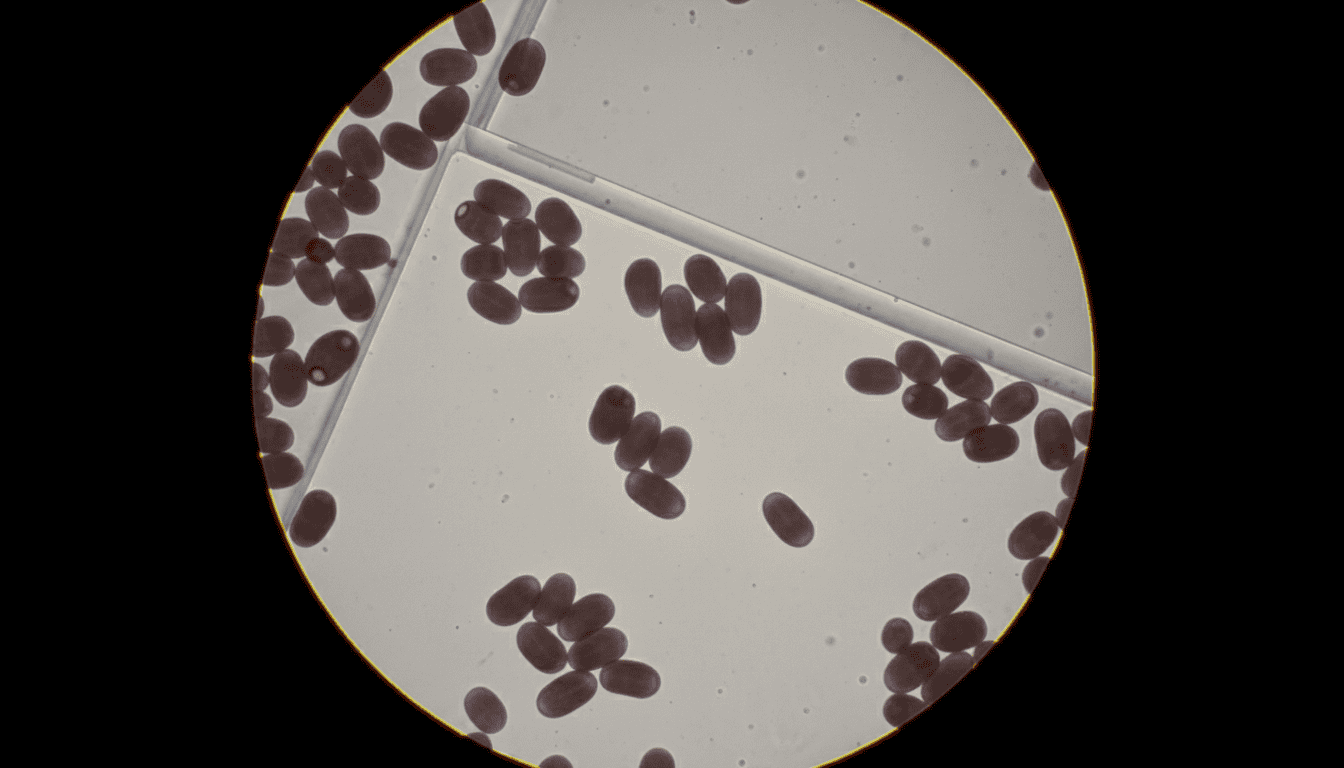
Size matters when you’re looking at spores under a microscope. B+ spores stretch from 11.5 to 18 micrometers in length by 8 to 12 micrometers in width—noticeably larger than the typical P. cubensis range of 10 to 15 micrometers. This extra size isn’t just a fun fact; it translates to practical advantages. Bigger spores show up more clearly at lower magnification, which means students working with basic microscopy equipment can actually see what they’re doing. The consistency across samples gives you measurable, reliable data for statistical analysis and taxonomic differentiation.
Crank the magnification up to 400x or 1000x, and the details really come alive. B+ spores take on an ellipsoid to subellipsoid shape, developing a distinctive dark purple-brown coloration as they mature. That pigmentation? It’s a hallmark of the Psilocybe genus and one of your primary identification tools. Look closer and you’ll spot the apiculus—that small projection showing where the spore attached to its basidium—and a prominent germ pore where germination will eventually occur. The spore wall strikes a nice balance, thick enough for excellent storage but thin enough that you can see internal structures under good lighting.
For anyone conducting microscopic analysis, these characteristics make B+ a teaching dream. Students learning fundamental techniques can identify the apiculus, germ pore, and spore wall with exceptional clarity, no advanced equipment or years of experience required. This accessibility explains why mycology education programs worldwide have made B+ a cornerstone strain.
Psychoactive Compounds in B+ Mushrooms
B+ carries a complex cocktail of psychoactive compounds, with psilocybin and psilocin taking center stage. These molecules drive the characteristic effects that magic mushrooms are known for. But they don’t work alone. Baeocystin and norbaeocystin tag along, potentially contributing to the overall experience through that entourage effect we mentioned earlier.
The mechanism is fascinating. These compounds interact with serotonin receptors in your brain, triggering alterations in perception, introspection, mood, and cognition. As classic psychedelics, they’ve captured significant scientific attention for both their unique effects and their therapeutic potential. Here’s the thing though—the exact balance and concentration of these compounds varies from mushroom to mushroom. Environmental conditions, growth stage, even individual genetics all play a role. Together, these variables create the distinctive chemical profile that defines B+ within the broader Psilocybe genus.
Psilocin Content and Potency
Potency in B+ mushrooms comes down to psilocin content working alongside psilocybin to determine both strength and duration of effects. Multiple factors influence these levels—substrate choice, environmental conditions, harvest timing, preparation method. It’s not a fixed number but rather a range that shifts based on growing conditions and handling.
Generally speaking, B+ lands in the moderately potent category, with psilocin levels comparable to other popular cubensis strains. The psilocybin-to-psilocin ratio, plus those additional psychoactive compounds we discussed, all contribute to the overall experience and perceived potency. For researchers comparing strains or selecting specimens for specific studies, understanding these variables becomes essential.
B+ won’t win any “most potent strain” awards, but that’s not really the point. Its reliable content and balanced profile offer consistency and manageability, which often matters more than raw power when you’re conducting research or seeking predictable results.
Microscopy Research Applications
B+ shines as a microscopy specimen precisely because it works across the entire skill spectrum. Beginners learning fundamental identification techniques get reliable results that build confidence. Advanced researchers characterizing new varieties find a dependable baseline reference strain. Studies have documented this versatility—B+ routinely appears as a reference strain in comparative research, underscoring its scientific value.
Spore Morphology Studies
Consistency and Measurement
Here’s something remarkable about B+ spores. Collect measurements from specimens grown in Florida, then compare them to specimens from the Netherlands or Southeast Asia. The dimensional variance typically stays within 1-2 micrometers. This consistency isn’t just convenient—it transforms how you approach statistical analysis. When variations do appear, you can confidently attribute them to environmental factors rather than wondering about genetic diversity.
Microscopic Detail
Push your magnification to 1000x with oil immersion, and B+ spores reveal their secrets. Surface textures show the subtle roughness that marks the Psilocybe genus. Internal cytoplasm appears granular, dotted with visible lipid droplets that catch the light. For comparative morphology work, these well-documented characteristics make B+ an excellent control specimen—you know what you’re supposed to see, which helps identify what’s different in other strains.
Research Protocols and Techniques
Getting your spore preparation right makes all the difference. Start by choosing your approach—spore suspensions in sterile water or saline work well for most applications. Concentration matters more than you might think. Too dense and your spores overlap into an indistinguishable mass. Too dilute and you’ll waste time hunting for specimens. Many researchers gravitate toward lactophenol cotton blue mounting medium, which delivers excellent contrast for both photography and measurement.
Long-term storage requires attention to detail. Properly prepared spore prints stay viable for years when you seal them with desiccant and keep them cool. Spore syringes handle refrigeration well (just protect them from freezing), maintaining viability for 12-24 months. This longevity ensures your temporal replicates use consistent material, which matters tremendously when you’re tracking changes over time.

B+ Spore Characteristics for Taxonomy Research
The sheer abundance of B+ spores solves a practical problem—you never run out of material. A single fruiting body pumps out millions of spores. A well-prepared print contains enough for hundreds of slides. In educational settings where twenty students need to prepare specimens from the same source, this abundance becomes essential rather than just convenient.
Students learning microscopy make mistakes. It’s part of the process. B+ accommodates this reality beautifully. Those large, hardy spores remain visible even in imperfectly prepared slides, meaning beginners get successful initial observations while they’re still developing their technique. This forgiving nature doesn’t just help—it accelerates the entire learning curve for microscopy skills.
Comparing B+ to Other Psilocybe Cubensis Strains
Understanding where B+ fits among other cubensis strains helps clarify what makes it special. All these varieties share fundamental characteristics—they’re all P. cubensis, after all—but each strain expresses traits in its own way. This variation matters when you’re selecting strains for specific research objectives.
Strain selection influences more than just appearance. Biochemical profiles vary, affecting psychoactive compound ratios relevant to research and therapeutic applications. Dose magnitude becomes important when considering that higher doses of certain strains produce more intense experiences. Researchers typically measure psilocybin content as a percentage of dry weight, ensuring accurate potency comparisons between strains. Psilocin levels can also shift dramatically based on growth stage, environmental conditions, and cultivation methods, revealing meaningful differences when you compare B+ to its cousins.
B+ vs. Golden Teacher
When people compare cubensis strains, Golden Teacher versus B+ usually tops the list. Both enjoy widespread availability and solid documentation, making them natural points of comparison. Golden Teacher tends toward smaller fruiting bodies with those distinctive golden caps and remarkably uniform coloration. B+ shows more size variation, sometimes smaller, sometimes larger, less predictable in that specific dimension.
For spore research, both deliver ample material for microscopy work. But dig into the details and B+ pulls ahead in two key areas—production volume and storage longevity. If you’re planning long-term projects requiring consistent specimens over months or years, those advantages matter considerably.
B+ vs. Penis Envy
Penis Envy sits at the opposite end of the spectrum. B+ gives you abundance; Penis Envy gives you scarcity. Those thick stems and reduced caps look distinctive, but the real challenge comes from Penis Envy’s notorious reluctance to produce spores. For educational settings, B+ wins hands down—you need reliable spore production when you’re teaching. That said, Penis Envy’s extreme characteristics offer value for specialized morphological variation research where you want to study how far P. cubensis traits can deviate from the norm.
B+ vs. Z-Strain
Z-Strain and B+ share enough characteristics that they sometimes get compared as near-cousins. Both demonstrate strong resilience and reliable spore production, making them beginner-friendly. The differences show up in the details—Z-Strain tends toward slightly more elongated stems, while B+ maintains more balanced proportions between cap and stem. Either works excellently in beginner research collections, delivering reliable results for fundamental microscopy techniques without demanding precision from inexperienced researchers.
Cultivation and Growth
Growing Psilocybe cubensis blends science with a touch of art. In nature, these mushrooms pop up in humid, subtropical regions where they favor cow dung, sugar cane mulch, and nutrient-rich pasture soils. Cultivation essentially means recreating those conditions indoors—getting the right balance of moisture, temperature, and fresh air exchange to coax out healthy, productive fruiting bodies.
The process starts with quality spores from reputable suppliers or harvested from mature specimens. You introduce these spores to a prepared substrate (grains, compost, or specialized mixes work well) designed to feed the developing mycelium. Incubation happens in a warm, dark environment where the mycelium can colonize the substrate completely. Once that colonization finishes, you move everything to a fruiting chamber where higher humidity, fresh air exchange, and indirect light trigger fruiting body formation.
Different cultivation methods suit different skill levels and goals. PF-Tek combines brown rice flour, vermiculite, and gypsum into a beginner-friendly substrate that delivers solid results without requiring advanced techniques. More experienced cultivators might choose bulk methods—germinating spores on agar plates, transferring to grain jars, then spawning to larger substrates for bigger yields. Some innovative approaches like “Spiderman Tek” use microwavable rice sachets for convenience and built-in sterility. Each method brings its own advantages, though all demand careful attention to cleanliness and environmental control. Contamination will derail your project faster than almost anything else.
Environmental factors matter tremendously. Temperature sweet spot sits between 70-80°F (21-27°C). Humidity should stay above 80% during fruiting. Fresh air exchange prevents carbon dioxide buildup while promoting healthy development. Light exposure influences not just size and shape but potentially psilocybin and psilocin content as well. Research continues showing how subtle adjustments in these variables create significant differences in both potency and yield. High humidity and proper hydration particularly accelerate growth, improving overall productivity.
Understanding these growth requirements helps optimize cultivation techniques and maximize quality. Ongoing research into substrate variations, temperature regimes, and humidity levels keeps refining best practices. As researchers and cultivators study how factors like light and fresh air exchange affect psychoactive compound concentrations, they contribute to our broader understanding of this species and its therapeutic potential.
Therapeutic Potential of B+ Mushrooms
Clinical research has brought B+ mushrooms into focus as a representative Psilocybe cubensis strain worth studying for mental health applications. The primary compound driving interest remains psilocybin, which studies suggest may benefit patients dealing with depression, anxiety, and obsessive-compulsive disorder—particularly those who haven’t responded to conventional treatments.
The proposed mechanism centers on neural plasticity. Psilocybin appears to promote new neural connections, potentially leading to lasting improvements in mood and behavior rather than just temporary relief. Think of it as helping the brain rewire itself rather than simply masking symptoms.
That said, we’re still in the learning phase. The promise is real, but ongoing research needs to establish safe, effective protocols for clinical use. As psychedelic-assisted therapy gains traction, B+ continues contributing to our understanding of how these fungi might support mental health and wellbeing.
Research Significance and Applications
B+ contributes to mycological knowledge in ways that extend beyond basic taxonomy. Temperature tolerance studies using B+ have revealed adaptability patterns that inform preservation protocol development. Contamination resistance research yields insights into fungal competition and ecological dynamics that apply across species. Educational institutions particularly value B+ as a gateway strain—its forgiving nature lets instructors focus on teaching fundamental concepts without fighting specimen-related complications.
Your background matters too. Previous experience with microscopy or mycology influences how effectively you’ll leverage B+ as a teaching or research tool. Familiarity with fungal characteristics generally enhances both learning outcomes and research precision, letting you spot subtle variations that beginners might miss.
Laboratory Equipment for B+ Research
Your microscope forms the foundation of B+ research. You’ll want compound capabilities reaching 400x to 1000x magnification. Oil immersion objectives deliver optimal results when you need detailed examination of spore structures. Digital cameras or smartphone adapters let you document observations for later analysis and peer review—essential when you’re building a reference library or sharing findings.
Sterile technique isn’t optional. Clean slides and coverslips prevent contamination that ruins observations. Sterile mounting media keeps specimens pure. Storage conditions directly affect specimen longevity—refrigeration extends viability while protection from light and moisture prevents degradation. Keep detailed research notebooks documenting source, dates, and conditions. That paper trail makes your science reproducible, which matters whether you’re publishing or just building personal knowledge.
Safety and Responsible Use
Safety comes first when dealing with psilocybin mushrooms like B+. Follow established dosage guidelines. Watch for potential interactions with other substances. Take real steps to minimize adverse effects. Legal regulations vary dramatically by location, so know your local laws before obtaining or using these materials.
If you’re exploring B+’s therapeutic potential, talk to a qualified healthcare professional. They can help assess benefits versus risks, guide decisions, and ensure any use aligns with current best practices and safety standards. Informed decision-making protects you while maximizing potential benefits.
Legal and Ethical Considerations
Know the legal landscape before diving into B+ research. In most places, Psilocybe cubensis spores for microscopy remain legal since spores themselves don’t contain psilocybin. But psilocybin as a substance faces strict regulation in many regions. Compliance with local laws isn’t optional—it’s essential.
B+ spores and prints are intended for microscopy and taxonomy research purposes only. We do not provide cultivation instructions or support cultivation of psilocybin-containing mushrooms, which may be restricted in your jurisdiction. Always follow local laws and regulations regarding the possession and study of Psilocybe species.
The psychoactive nature of psilocybin mushrooms creates significant implications for research protocols and regulatory approval. Some U.S. states maintain particularly strict regulations—California, Georgia, Idaho, and Florida deserve special attention. Age restrictions (18+) apply everywhere. Institutional researchers should maintain clear documentation demonstrating legitimate scientific purpose. Ethical practices go beyond legal compliance to include specimen purity, proper disposal, and sharing findings through appropriate channels that advance scientific knowledge.
Conclusion
There’s a reason B+ became a research standard rather than just another cubensis strain. That combination of resilience, prolific spore production, and unwavering consistency translates directly into successful research outcomes whether you’re teaching undergraduates or running advanced studies.
Beginners find their footing with B+’s forgiving nature. Advanced researchers lean on it as that dependable reference strain that never lets ambitious projects fall apart. As microscopy technology continues evolving, B+ keeps contributing to our understanding of P. cubensis diversity and fungal adaptation mechanisms in general.
The practical value emerges clearly across applications. Documenting spore morphology, teaching taxonomy fundamentals, conducting comparative strain research—B+ delivers the consistency that transforms effort into meaningful progress. When you’re ready to start your own research, reputable suppliers offer high-quality spore syringes meeting the standards serious scientific work demands. The “Be Positive” nickname isn’t marketing hype. It reflects real advantages that researchers discover firsthand once they start working with this remarkable strain.
