

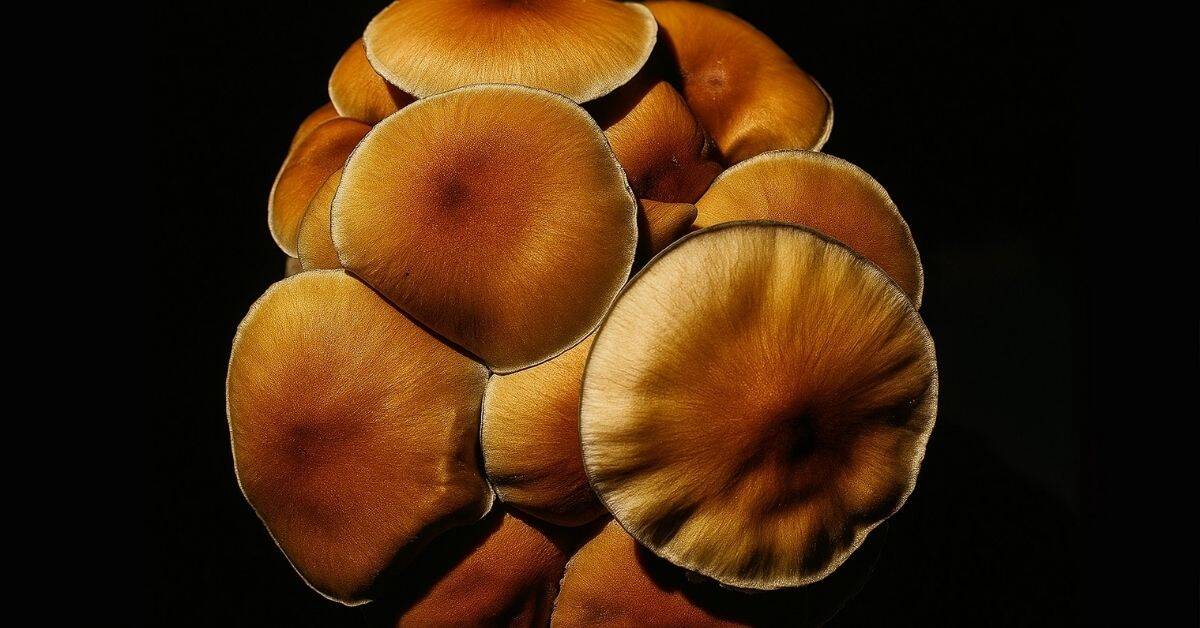
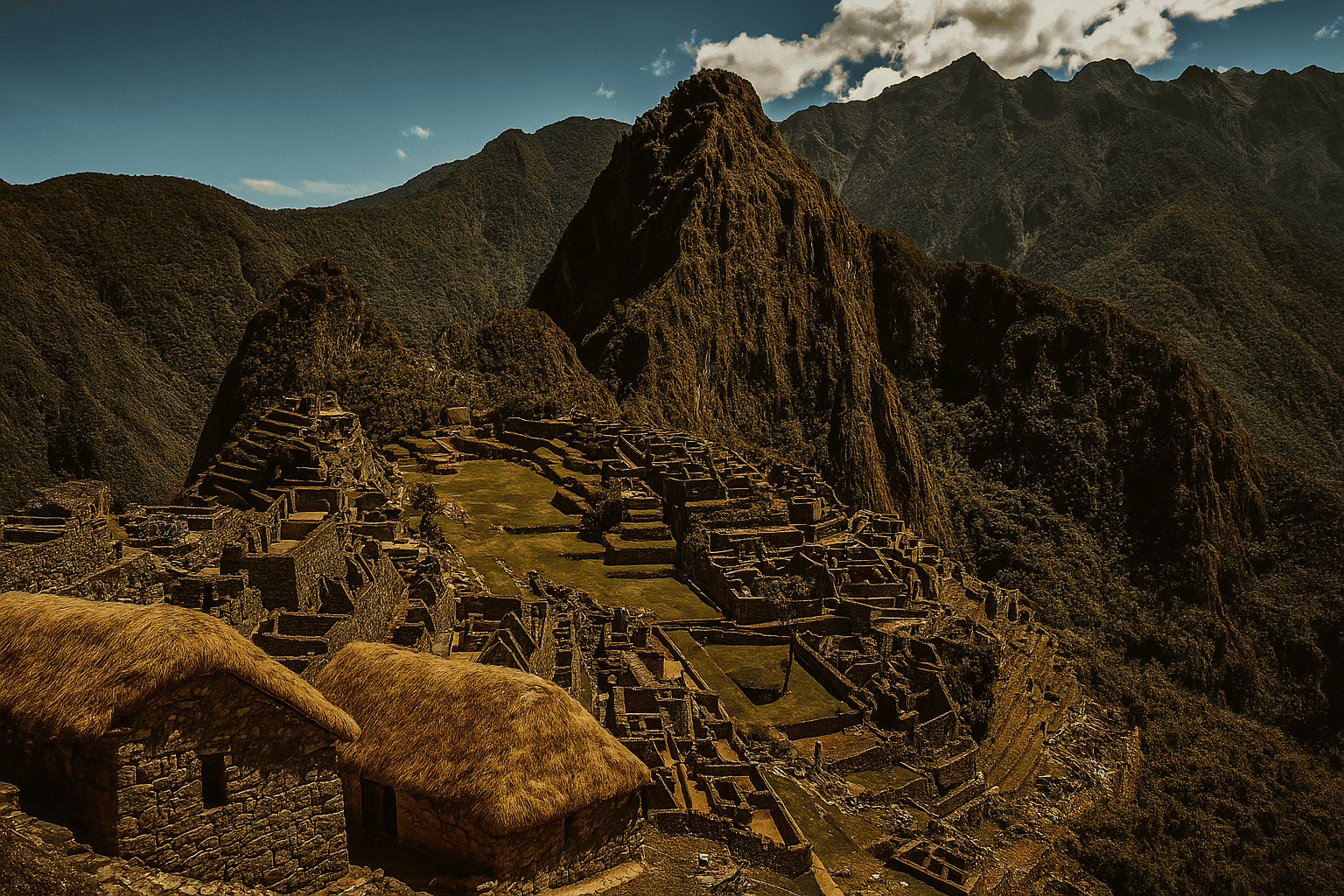
Have you ever heard of the Stargazer mushroom? If you look it up online, you’ll find some pretty amazing stories. Sellers say it was discovered by ancient Incas near Machu Picchu. They claim famous mushroom expert Paul Stamets wrote about it in his books. The problem is, none of this is true.
What we have here is way more interesting than just another mushroom variety. The Stargazer mushroom shows us how stories about mushrooms get made up and spread around, even when scientists have never heard of them. It’s like a detective story about fake science.
The real story isn’t about ancient people or famous scientists. It’s about how we decide what’s true and what’s made up in the mushroom world. And that’s actually pretty important to understand.
What Scientists Actually See
When mushroom experts look at Stargazer mushrooms, they see something that looks exactly like a regular Psilocybe cubensis mushroom. The spores are the right size and shape, the mushrooms turn blue when you touch them (which shows they have psilocybin), and everything else matches what we know about this type of mushroom.
But there is one thing that makes Stargazer different. Instead of growing big mushrooms by themselves, Stargazer tends to grow lots of small mushrooms in tight clusters. Think of it like the difference between a few big flowers versus a bunch of tiny flowers bunched together.
Many researchers prefer the stargazer mushroom for its clustering growth pattern.
Stargazer Mushroom Physical Characteristics:
- Cap size: 25-50mm diameter (quarter to half-dollar sized)
- Cap color: Starts brown, turns golden, then pale yellow
- Stem length: Up to 125mm (about thumb-length)
- Growth pattern: Dense clusters rather than individual mushrooms
- Spore print: Purple-brown (typical for P. cubensis)
- Bruising: Blue-green when handled (indicates psilocybin presence)
Now, here’s the big question for scientists: Is this clustering behavior something special about Stargazer’s genes? Or is it just how regular P. cubensis mushrooms grow when certain things happen around them? That’s actually a really important difference, and we don’t know the answer yet.
This phenomenon with the stargazer mushroom raises intriguing genetic questions.
What the Chemistry Says About Stargazer’s Strength
Scientists who study psilocybin mushrooms have found that P. cubensis mushrooms usually contain between 0.37% and 1.30% psilocybin. People who study Stargazer say it falls right in the middle of that range – not super strong, not super weak.
The stargazer mushroom’s potency, similar to that of other strains, is often debated among enthusiasts.
Stargazer vs. Other P. cubensis Strains Comparison
Collectors and researchers actively seek the stargazer mushroom for its clustering characteristics.
| Strain | Potency Level | Cap Size | Growth Pattern | Beginner Friendly |
|---|---|---|---|---|
| Stargazer | Medium (0.6-0.8%) | Small (25-50mm) | Dense clusters | Yes |
| Golden Teacher | Medium (0.6-0.9%) | Large (50-80mm) | Individual specimens | Yes |
| Penis Envy | High (0.9-1.3%) | Medium (40-60mm) | Individual specimens | No |
| B+ | Medium-Low (0.4-0.7%) | Large (60-90mm) | Individual specimens | Yes |
| Amazonian | Medium (0.6-0.8%) | Medium (40-70mm) | Individual specimens | Moderate |
Note: Potency percentages are estimates based on community reports, as official laboratory testing data for most strains is limited.
But here’s something really interesting that research has shown: mushrooms from the same grow can have completely different amounts of psilocybin. One mushroom might have twice as much as another mushroom growing right next to it. Things like temperature, food, and when you pick them can change how much psilocybin they make.
This makes it really hard to say if Stargazer is actually different from other mushrooms, or if people are just getting normal P. cubensis mushrooms that happen to be medium strength. It’s like trying to figure out if a recipe is special when the ingredients keep changing.
The Big Lie: Checking the Facts
Here’s where things get really interesting. The stories about Stargazer include two specific claims that we can actually check: that Paul Stamets wrote about it in his famous book, and that it was found near ancient ruins in Peru.
Some reporters decided to fact-check these stories, and guess what they found? The stories are completely made up. When they actually read Stamets’ book from the 1970s, he only mentions five mushroom types by name: Amazonian, Ecuadorian, Matias Romero, Misantla, and Palenque. No Stargazer anywhere.
“Despite widespread claims that Stargazer appears in Paul Stamets’ foundational text ‘The Mushroom Cultivator,’ our investigation found no mention of this strain anywhere in the book. The text documents only five varieties by name, and Stargazer is not among them.” – DoubleBlind Magazine investigation
The Peru story is even worse. Scientists have studied what plants and mushrooms ancient people used in that area, and there’s no record of anything like Stargazer. No old documents, no museum pieces, no archaeological reports – nothing.
Red Flags in Stargazer Origin Claims:
When evaluating the stargazer mushroom, it’s crucial to consider the available evidence.
- No archaeological evidence from Machu Picchu region
- Absent from Stamets’ actual writings despite widespread claims
- No peer-reviewed documentation of discovery
- No museum specimens or historical records
- No ethnobotanical studies mentioning similar varieties
- Zero academic references in scientific literature
This is important because it shows how people can make stories sound scientific by dropping famous names. By saying “Paul Stamets documented this” and “ancient people used this,” the sellers make it sound official. But when you actually check, none of it is true.
Why Scientists Ignore Stargazer
Here’s something really weird: even though you can buy Stargazer mushroom spores all over the internet, scientists who study mushrooms have never written about it. Big research papers that talk about dozens of different P. cubensis types don’t mention Stargazer at all.
This isn’t because scientists are being lazy or don’t know about it. When something is sold everywhere and people talk about it online, scientists usually notice. The fact that they completely ignore Stargazer suggests they don’t think it’s different enough from regular P. cubensis to care about.
Many researchers remain skeptical about the stargazer mushroom due to the absence of studies.
Recent studies that look at mushroom DNA have found something really interesting: most different “types” of P. cubensis mushrooms are basically identical genetically. The genes that make psilocybin are the same in almost all of them. This supports what experienced mushroom people have always said: “a cube is a cube” – meaning they’re all basically the same thing with different names.
But this doesn’t mean all the different names are meaningless. Even if mushrooms have the same genes, they can still look and act different based on how they’re grown and selected over time. It’s like how all dogs have basically the same DNA, but a poodle still looks different from a bulldog.
How Mushroom Stories Get Made
The fake stories about Stargazer mushrooms teach us something important about how people create believable lies. The story combines three things that sound impressive: ancient wisdom (the Incas), scientific authority (Paul Stamets), and mysterious places (Machu Picchu).
This combination appeals to people who want both scientific facts and spiritual meaning. Even after the stories are proven false, people keep sharing them. This suggests the stories do something important for people beyond just giving information – they make people feel connected to ancient cultures and modern science at the same time.
From studying human behavior, we can see that these kinds of stories are common in communities that use psychedelic mushrooms. People want to feel like these powerful substances connect them to both ancient wisdom and cutting-edge science, even when those connections aren’t real.
Perhaps these narratives about the stargazer mushroom serve to connect users with cultural traditions, whether real or imagined.
What This Means for Learning About Mushrooms
The Stargazer story teaches us important lessons about how to think critically when learning about mushrooms. It shows us we need to check multiple sources, look for real evidence, and not just believe something because it sounds good or official.
For students learning about fungi, Stargazer is actually a great teaching tool. It shows the difference between:
- Stories people tell vs. facts scientists can prove
- What sellers claim vs. what researchers find
- Community knowledge vs. official scientific knowledge
These are really important skills for anyone who wants to understand this niche seriously.
The case also shows problems with how we study fungi today. There’s no standard way to document and verify new types of mushrooms. This creates opportunities for people to make up stories and sell products with fake backgrounds.
Questions Scientists Could Answer
Even though the origin stories are fake, Stargazer does raise some real scientific questions worth investigating. The clustering behavior, if it’s real and consistent, could teach us things about how mushrooms decide to grow in groups versus individually.
Scientists could test whether Stargazer mushrooms from different sellers are actually the same by looking at their DNA. They could also measure the psilocybin in lots of different samples to see if the “medium strength” reports are accurate.
Most importantly, scientists could study lots of different commercially sold “strains” to figure out which ones are actually different and which ones are just the same mushrooms with different names. This would help both science and education by clearing up a lot of confusion
What We Learn from This Story
The Stargazer mystery teaches us more about how people create and share knowledge than it does about mushrooms themselves. It shows how made-up stories can become widely believed, how community knowledge can be valuable even when it’s not officially recognized, and how important it is to have good ways to check if something is true.
For scientists, Stargazer shows why it’s important to pay attention to what communities are saying while still being careful about what’s actually true. Thousands of people growing these mushrooms and reporting the same things represents real observations, even if the background stories are fake.
For students, this case is perfect for learning how to think scientifically. Learning to tell the difference between good evidence and marketing claims, between peer-reviewed research and internet stories, and between reliable and unreliable sources are essential skills.
Maybe most importantly, Stargazer shows us the complicated relationship between scientific facts and the stories people want to believe. People don’t just want accurate information about these mushrooms – they want stories that give meaning and connect them to bigger traditions of knowledge.
The challenge for mushroom science is finding ways to be both scientifically rigorous and respectful of why these stories matter to people. Stargazer may not be an ancient variety discovered by the Incas, but its role in modern mushroom culture makes it worth understanding.
In the end, the most important lesson from Stargazer might be about staying humble. The fact that a mushroom with a completely made-up backstory can become commercially successful reminds us that community knowledge and scientific validation work in different ways – and that understanding mushrooms fully requires paying attention to both.
Ultimately, the stargazer mushroom challenges us to reconcile community beliefs with scientific inquiry.
