
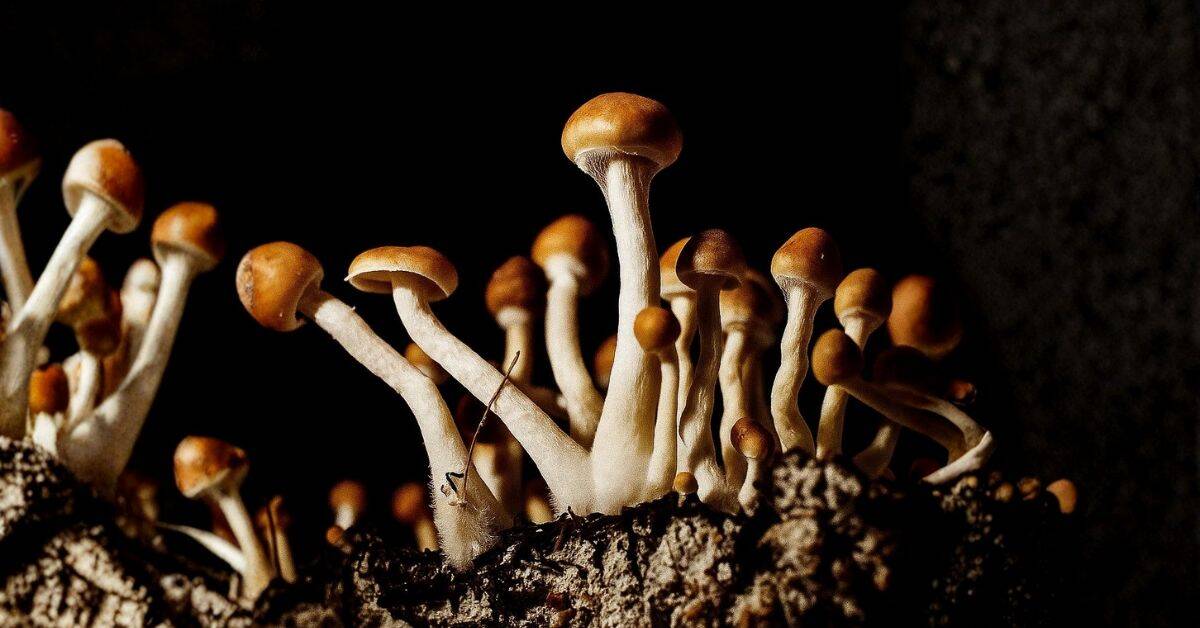

So you’re ready to dive into the fascinating world of mycology and mushroom microscopy research. Smart move. But here’s the thing: not all mushroom strains are created equal when you’re just starting out.
There is a wide range of mushroom varieties available to beginners, and some varieties are especially well-suited for those new to microscopy research.
Walk into any mycology forum and you’ll see the same question over and over: “Which strain should I start with?” It’s a valid concern. Choose wrong, and you might get discouraged. Choose right, and you’ll be studying gorgeous spore samples under your microscope in no time.
Some strains are ideal for those who lack access to specialized equipment or growing environments, making them especially suitable for true beginners.
I’m going to break down the five most talked-about strains for beginners. But here’s the honest truth—only two of them are actually beginner-friendly. The others? They’re popular, sure, but they’ll test your patience. Let’s explore why.
Introduction to Growing Mushrooms
If you’ve ever dreamed of producing your own food and exploring the fascinating world of fungi, growing mushrooms is the perfect place to start. With so many edible mushrooms to choose from—like shiitake mushrooms, oyster mushrooms, and other delicious edible fungi—beginners have plenty of options to kick off their journey. Whether you’re interested in cultivating fresh mushrooms at home or foraging for wild mushrooms such as chanterelles, known for their fruity aroma and vibrant color, or chicken of the woods, prized for its chicken-like flavor and texture, this beginner’s guide will walk you through the basics. If you are new to foraging, it’s important to learn which parts of mushrooms are safe to eat and how to properly identify edible species before consuming them. You should also know how to pick mushrooms responsibly and legally, using proper technique and ensuring you have permission to forage in specific locations. Many enthusiasts enjoy the hunt for wild mushrooms and the seasonal activity of picking prized varieties like chanterelles and chicken of the woods. Growing mushrooms isn’t just about adding a new food to your table; it’s about discovering the unique characteristics of different species and learning how to nurture these incredible organisms from spore to harvest. Learning how to cook mushrooms is also an important skill for beginners, as different types require different preparation and cooking methods. With a few essential tips and a little curiosity, anyone can start growing mushrooms and enjoy the rewards of their own mini mushroom farm.
Benefits of Mushroom Cultivation
There’s a lot to love about growing your own mushrooms. For starters, you get to enjoy fresh, delicious food right from your own kitchen or backyard. Shiitake mushrooms are known for their rich, meaty texture and are easily found in stores and markets, while oyster mushrooms offer a delicate flavor and come in a range of colors, including pink and grey, making them perfect for a variety of dishes. Portobello mushrooms are another well-known edible variety, popular among chefs and home cooks alike.
When preparing mushrooms, it’s important to clean and handle them properly before cooking to ensure the best flavor and safety. Mushrooms can be cooked in a variety of ways—sautéed, grilled, roasted, or added to soups and stews. Cooking enhances their flavor and texture, and cooked mushrooms are versatile enough to be incorporated into many dishes, including vegetarian and meat-based meals. Some mushrooms, like porcini, can even be eaten raw and are prized for their woodsy flavor.
Beyond taste, mushrooms are packed with nutrients and can add exciting new flavors and textures to your meals. Cultivating mushrooms is also a sustainable way to produce food, making it a great choice for anyone interested in self-sufficiency and eco-friendly living. Plus, the process itself is genuinely exciting—watching fungi transform from tiny spores into full-grown mushrooms is a rewarding experience that connects you to nature in a whole new way. Whether you’re after the meaty bite of shiitake or the subtle notes of oyster mushrooms, growing mushrooms is a fun and flavorful adventure for beginners and seasoned growers alike.
Why P. cubensis for Beginners
Before we jump into specific strains, let’s talk about why Psilocybe cubensis dominates the beginner landscape. According to Wikipedia’s comprehensive species profile, P. cubensis is the “best-known psilocybin mushroom due to its wide distribution and ease of cultivation.”
Unlike many other mushroom species that require strict environmental controls and specialized substrates, P. cubensis is incredibly forgiving. It tolerates a wider temperature range than most mushrooms and grows on various substrates. Most importantly for microscopy researchers, its spores are easy to collect and study.
If you’re new to mushroom cultivation techniques, P. cubensis variants offer the best learning curve. The strains I’m covering today all fall under this species umbrella—though their difficulty levels vary wildly.
Golden Teacher - The Classic Beginner's Choice
Let’s start with the undisputed champion of beginner strains: Golden Teacher. This strain has earned its reputation the hard way—by succeeding where others fail.
Why Golden Teacher is Beginner-Friendly
Golden Teacher forgives mistakes. Contamination? It fights back better than most strains. Temperature fluctuations? It adapts. Imperfect sterile technique? You’ll probably still get viable samples.
North Spore’s mycology team calls Golden Teacher an “easy-to-grow classic known for its golden caps” and introspective research qualities. That golden-caramel coloration makes it stunning under the microscope too.
What Makes Golden Teacher Special
This strain produces prolific spore prints. For microscopy research, that’s gold. You’ll have plenty of samples to study, share, or store for future projects.
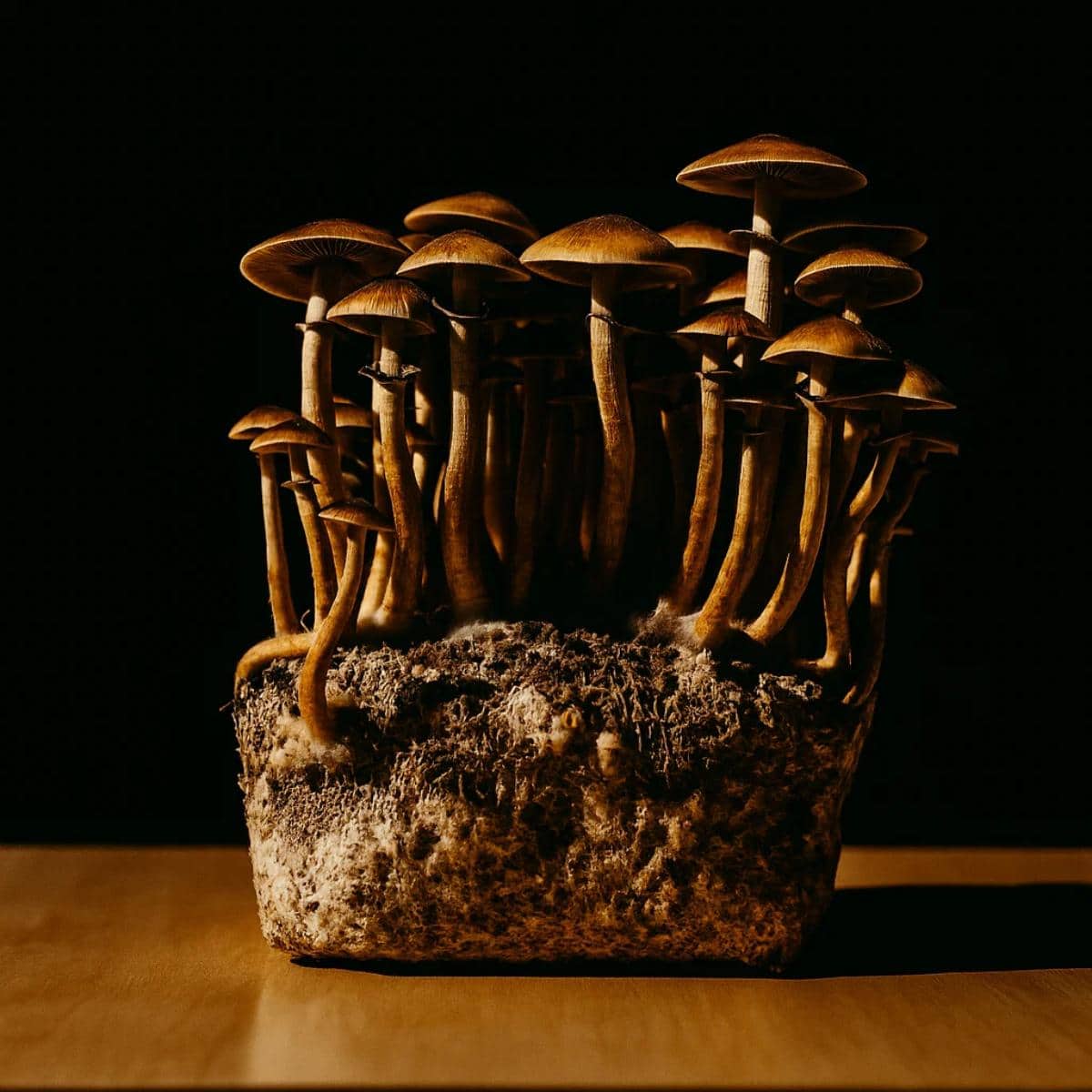
The caps typically reach 5-8cm diameter and display beautiful golden-yellow colors, though shades can sometimes range from lighter cream to deeper yellow depending on age and conditions. Under magnification, the spores show classic P. cubensis characteristics: dark purple-brown, ellipsoid shape, measuring 11-17 x 8-11 μm.
Want to deep dive into this strain’s history and characteristics? Check out our comprehensive Golden Teacher strain spotlight.
Golden Teacher - The Classic Beginner's Choice
Psilocybe cubensis
Golden Teacher mushroom spores are renowned among mycologists and researchers of entheogens. It is considered suitable for both beginner and advanced researchers. With our high-quality mushroom spore kit, it becomes easy to research this beloved mushroom with our high quality genetic isolation.
B+ (B Plus) - The Most Forgiving Strain
If Golden Teacher is the popular kid in school, B+ is the reliable friend who always has your back. B+ is also one of the most common choices for beginners due to its forgiving nature. This strain deserves serious consideration for your first microscopy project.
Why B+ is Perfect for First-Timers
Here’s where B+ really shines: contamination resistance. Scientific research published in PubMed Central highlights B+’s “resilience and consistent productivity under diverse environmental conditions.”
Translation? You can mess up and B+ generally won’t punish you for it. Your sterile technique isn’t perfect yet? B+ generally tolerates it. Your temperature control is sketchy? B+ adapts.
Growth Characteristics and Resilience
B+ produces large, meaty specimens with thick stems—perfect for spore collection. The caps can reach impressive sizes, often 10-15cm in ideal conditions. That means generous spore deposits for your research.
This strain also quickly colonizes substrates, meaning the substrate becomes fully colonized with mycelium in a short time. You’ll see results faster, which keeps beginners motivated during those crucial first projects. For sourcing quality genetics, check out our B+ spore syringes.
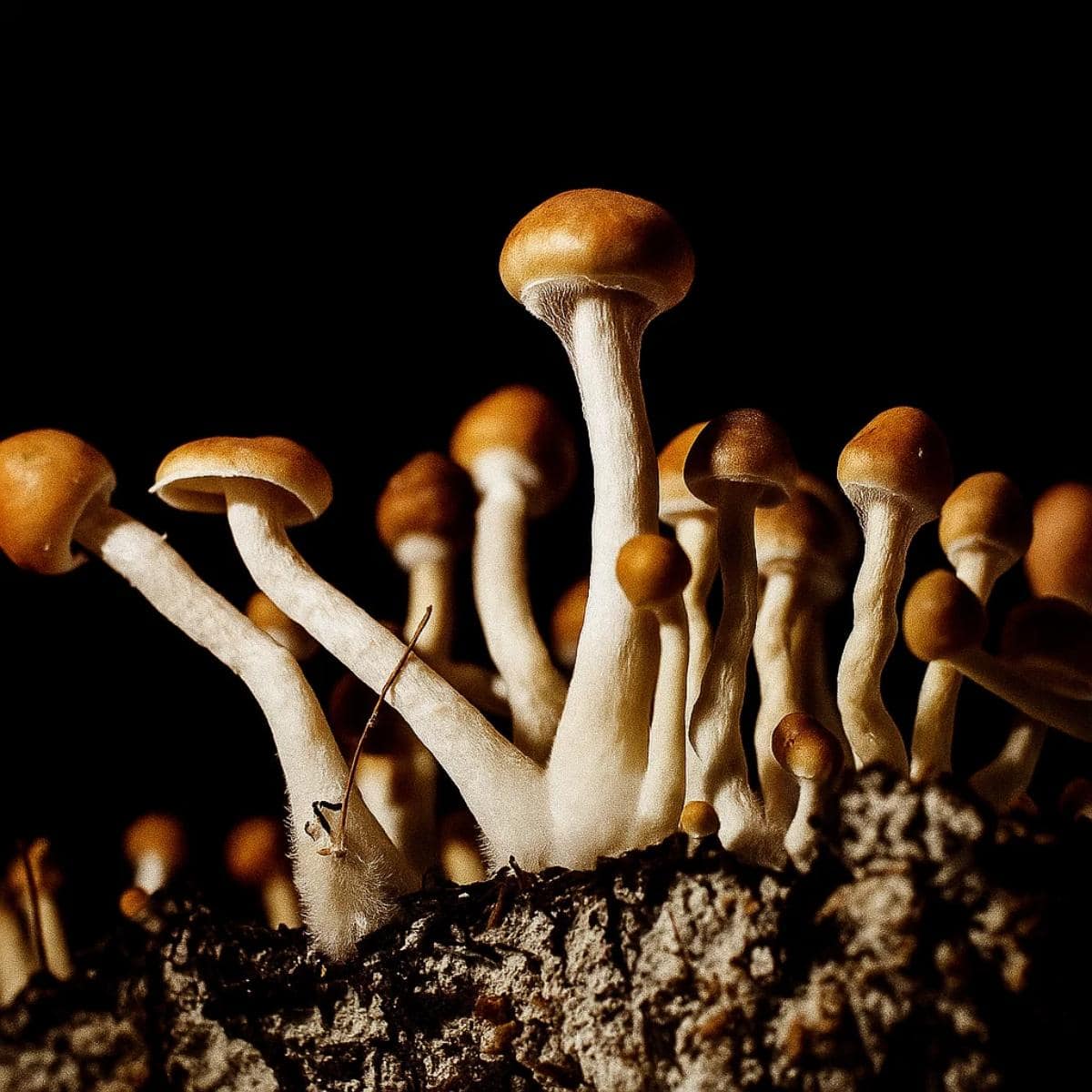
The mushrooms themselves display beautiful caramel-brown caps that bruise blue when handled. Under the microscope, B+ spores match standard cubensis morphology with excellent clarity for identification studies.
B+ (B Plus) - The Most Forgiving Strain
Psilocybe cubensis
The B+ is one of the most famous mushroom when it comes to the Psilocybe cubensis strain. Analyzing the morphology of its spores will give you insights into the species' unique characteristics of the B-positive spores.
Jedi Mind Fuck (JMF) - Stepping Up Your Game
Now we’re entering intermediate territory. JMF is that next step after you’ve successfully completed a few Golden Teacher or B+ projects. Mastering sterile technique and environmental control is essential for success with JMF.
Moderate Difficulty for Advancing Beginners
JMF colonizes quickly—faster than Golden Teacher in most cases. That’s the good news. The bad news? It’s more sensitive to environmental fluctuations than the two strains above.
When working with JMF, plan your cultivation process carefully to account for its sensitivity and ensure optimal results.
This strain demands better sterile technique. Your contamination prevention needs to be on point. Temperature and humidity control become more critical. It’s not impossible for beginners, but it tests your skills.
The caps develop a distinctive wavy appearance at maturity, creating fascinating visual patterns for microscopy documentation. Spore prints come out dense and purple-black, excellent for long-term storage and study.
Ready to explore this strain’s unique characteristics? Visit our detailed JMF strain guide for microscopy insights.
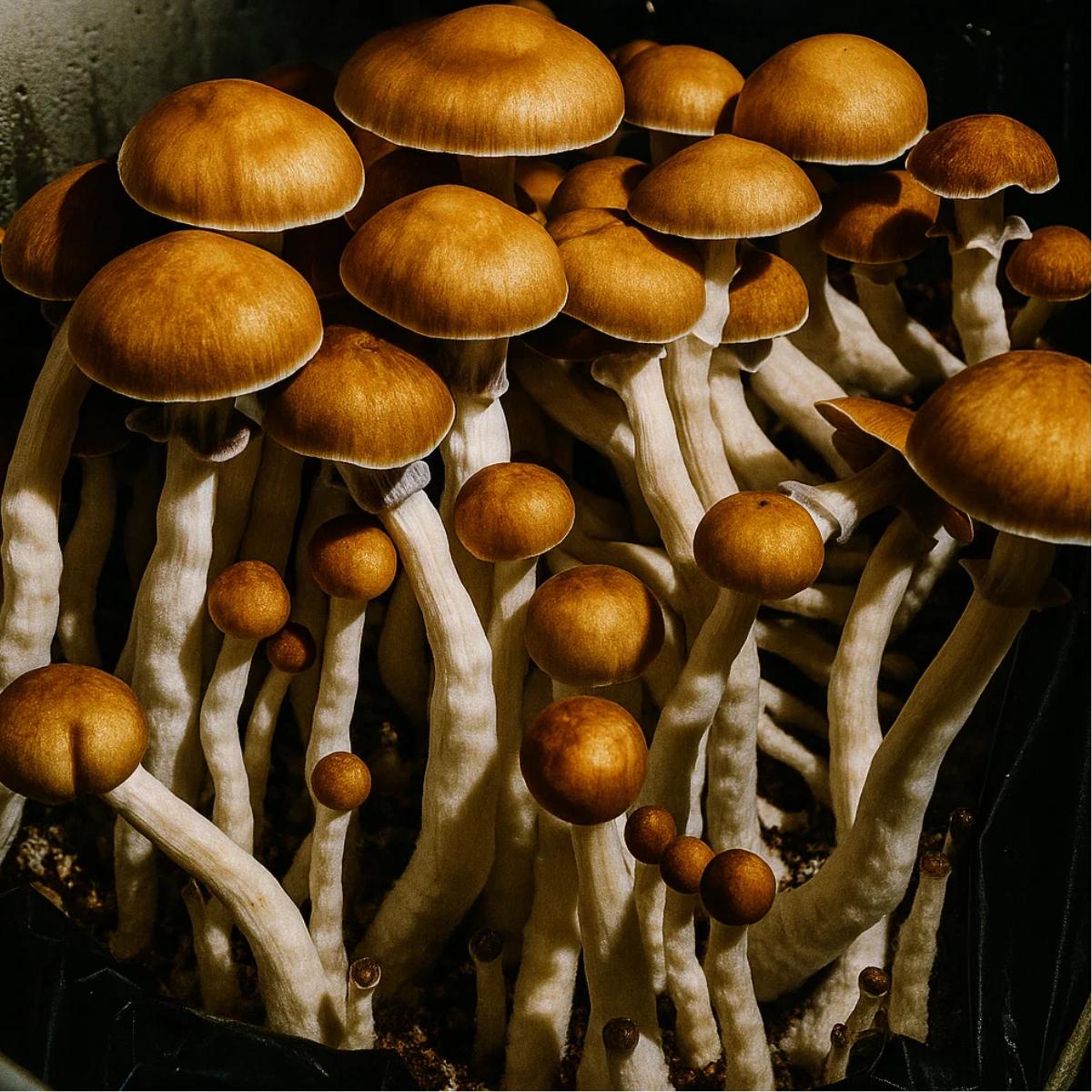
Jedi Mind Fuck (JMF) - Stepping Up Your Game
Psilocybe cubensis
Jedi Mind Fuck (P. cubensis) is a potent and visually striking magic mushroom strain known for its thick stems and caramel-colored caps. Celebrated for its intense effects and vigorous growth, it’s a standout favorite among experienced researchers.
Penis Envy - Not Recommended for True Beginners
Let’s be real: Penis Envy is everywhere in mycology discussions. It’s famous. It’s sought-after. And it’s absolutely not beginner-friendly, despite what you might read elsewhere.
Successful cultivation of Penis Envy is rare among beginners due to its unique challenges.
Why Penis Envy is Challenging
Penis Envy has unique genetics that make it fundamentally different from typical cubensis strains. The caps don’t fully open, which means reduced spore production. Collecting viable samples requires more patience and skill, making Penis Envy a tough strain for beginners to handle.
This strain grows slowly. Where Golden Teacher might colonize in 10-14 days, Penis Envy can take 3-4 weeks. It’s more susceptible to contamination during that extended timeline. Your sterile technique must be flawless.
Advanced Cultivation Requirements
Penis Envy also demands specific environmental conditions. Temperature swings that Golden Teacher shrugs off? They’ll stall Penis Envy completely. The thick, dense stems that make it distinctive also make it prone to blotchy maturation.
When You’re Ready for Penis Envy
Don’t get me wrong—Penis Envy is fascinating for microscopy research. The thick stems and unique cap morphology create interesting study subjects. But save it for project number five or six, not project one.
Once you’ve mastered basic technique, our Penis Envy microscopy guide covers everything you need to know about this legendary strain. When you’re ready, consider exploring deeper into advanced strains like Penis Envy to expand your research and understanding.
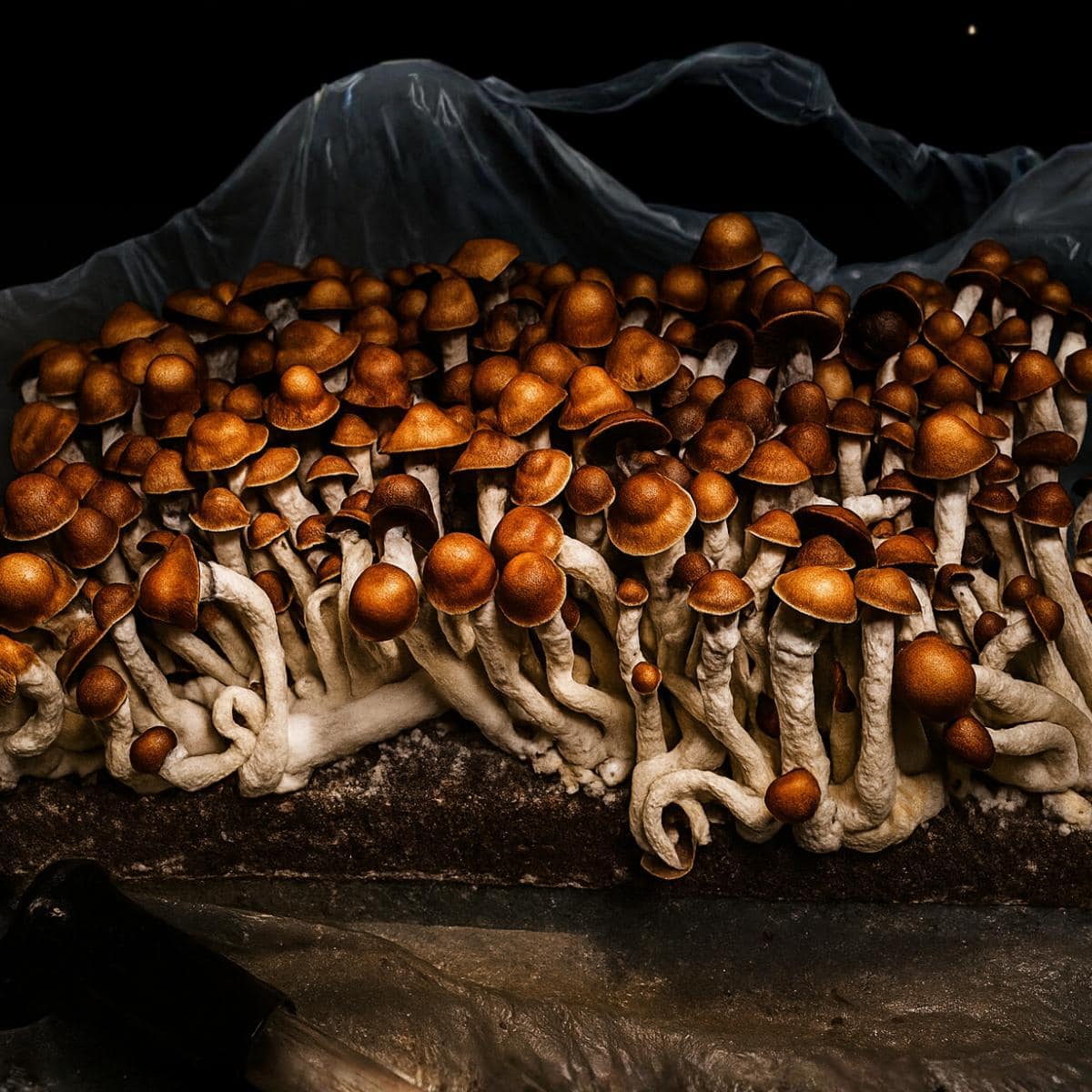
Penis Envy - Not Recommended for True Beginners
Psilocybe cubensis
Penis Envy mushroom spores are known for their unique appearance and are widely used in amateur microscopy. This strain is best suited for advanced researchers due to its distinct characteristics.
Enigma - Advanced Only (Not for Beginners)
I’m including Enigma on this list specifically to warn you away from it as a beginner. This is the deep end of the mycology pool.
Why Enigma Belongs on This List
Enigma doesn’t produce normal mushrooms. Instead, it creates coral-like blobs that look more alien than fungal. Unlike other strains, Enigma does not form traditional fruiting bodies, which means there are no caps and no typical spore prints. Propagation happens through tissue culture only.
This strain takes forever to colonize—we’re talking months, not weeks. It’s unpredictable, sensitive, and demands expert-level technique. But it’s also one of the most fascinating specimens under a microscope.
Why mention it in a beginner’s guide? Because you’ll hear about Enigma constantly in mycology communities. I want you to know it’s not your starting point. It’s your aspirational goal for year two or three.
Curious about this bizarre mutation? Our Enigma deep-dive covers its history and unique characteristics for advanced researchers.
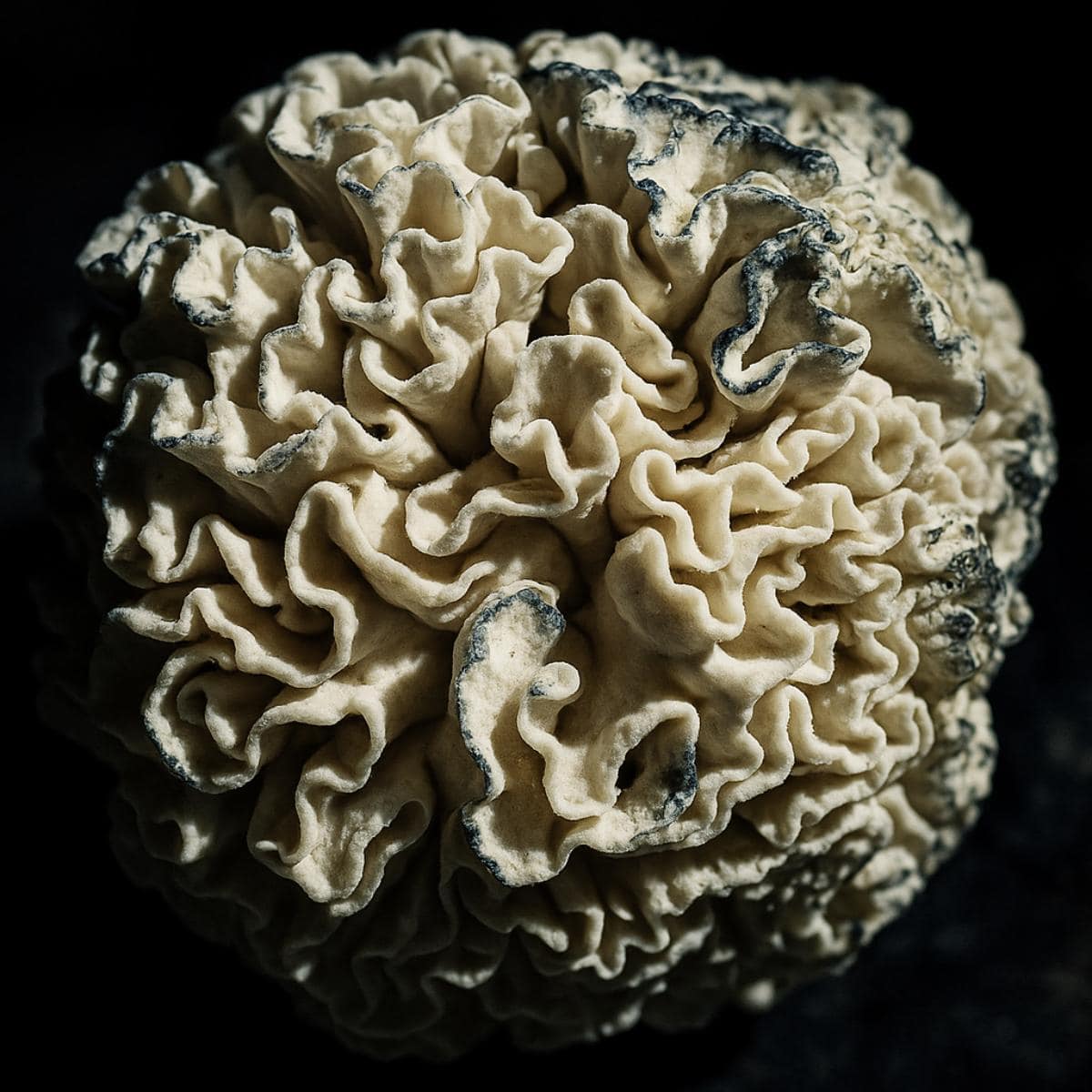
Enigma - Advanced Only (Not for Beginners)
Psilocybe cubensis
The Enigma is a variant within the Psilocybe cubensis species with a unique mutation. The source of Enigma mushrooms remains unknown, however, it is thought to have been initially found in the elevated areas of Ecuador in South America.
Key Takeaways
Mushroom Growth Environments
One of the best things about mushrooms is their versatility—they can thrive in a range of environments, both indoors and outdoors. The key to successful mushroom cultivation is choosing the right substrate and environment for the species you want to grow. Shiitakes, for example, are traditionally grown on hardwood logs that are inoculated with mushroom spawn, allowing for multiple years of harvest from a single log. This method helps develop their signature flavor and dense texture. Oyster mushrooms are incredibly adaptable and can be cultivated on substrates like straw, sawdust, or even recycled materials, and they can also be grown outdoors on stumps and garden beds. When building mushroom beds, it is important to add a layer of substrate or sawdust at each step, as each layer supports healthy mushroom growth and increases your chances of success. Spring is an optimal time to start outdoor mushroom beds, as it allows mushrooms to appear by early autumn. By understanding the specific needs of each mushroom species, growers can create the perfect conditions for a healthy, delicious harvest. Whether you’re stacking logs in a shady corner of your yard or filling bags with straw and sawdust in your garage, the right setup will help your mushrooms flourish. If you plan to photograph your mushrooms or forage in low-light environments, providing adequate light—such as using warm, natural-looking light or extra lighting—can make a significant difference in capturing clear images and identifying mushrooms. With a little planning and the right substrates, you’ll be harvesting fresh, flavorful mushrooms in no time.
Getting Started: Essential Equipment and Supplies
Alright, you’ve picked your strain (Golden Teacher or B+, right?). Now you need the proper equipment for mycology research.
When sourcing genetics and supplies, look for reputable vendors that are established businesses with years of experience in the mushroom industry. Choosing a vendor with a proven business model or a long-standing business in mushroom cultivation adds an extra layer of reliability and expertise. This ensures quality and reliability for your mycology projects.
For substrates, remember that mushrooms often grow on decaying plant matter, highlighting the close relationship between fungi and plants. Choosing the right substrate is crucial for successful cultivation.
A sterile bag, such as a plastic bag, is also useful for storing or transporting mushroom samples.
Where to Source Quality Genetics
Start with reputable spore vendors who specialize in microscopy research. Quality matters immensely. Clean, viable spores make everything easier.
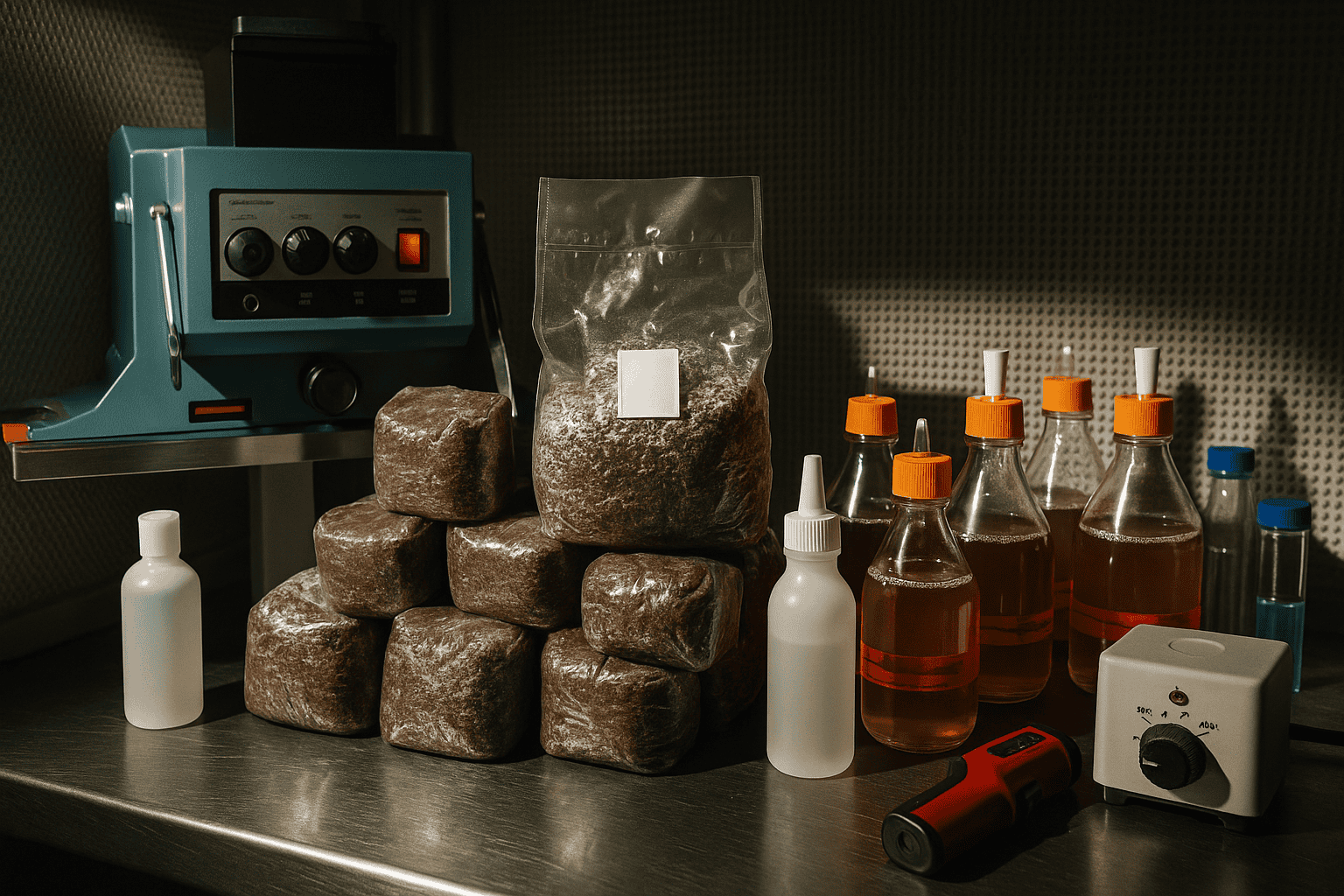
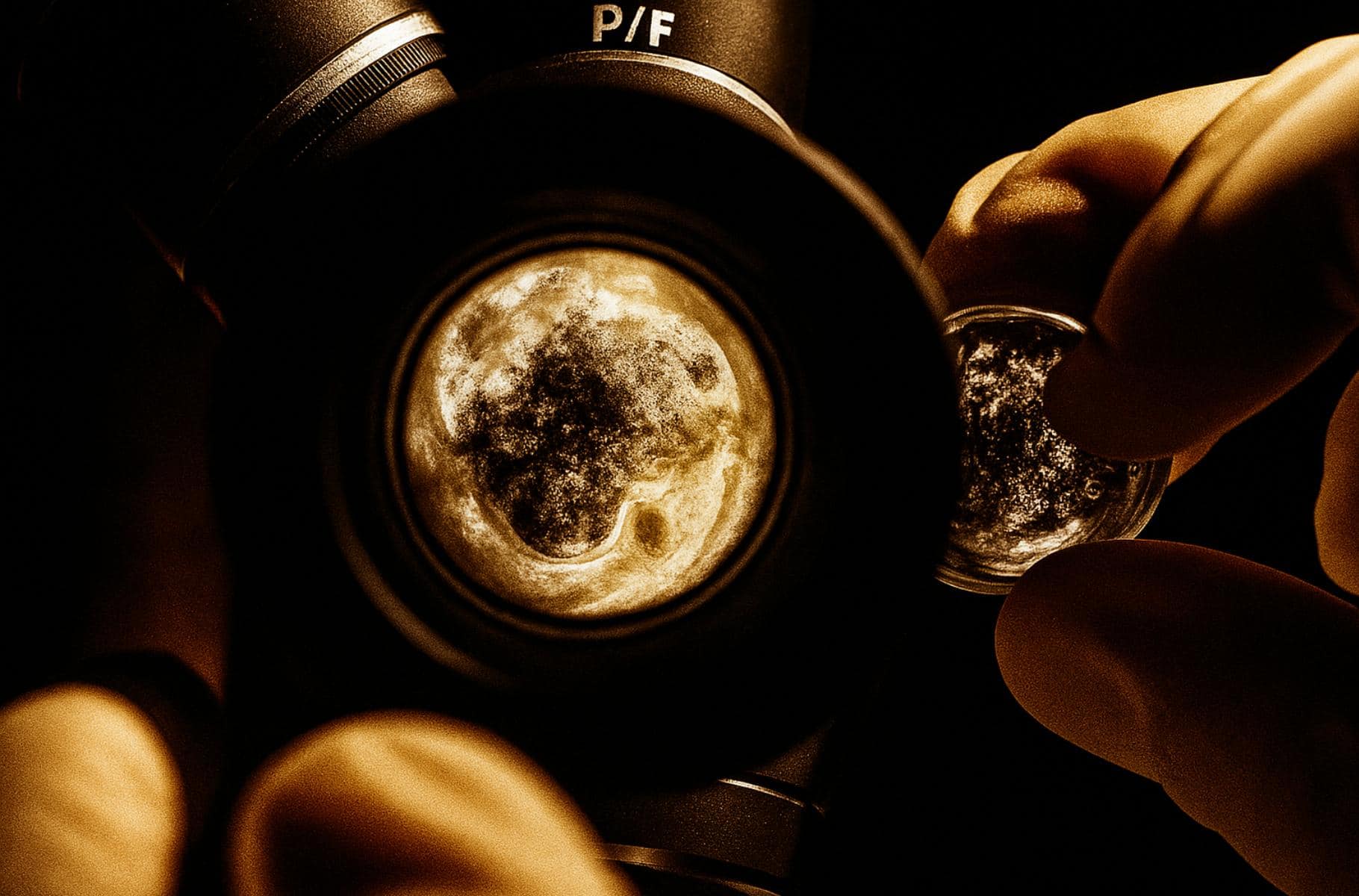
Your basic microscopy setup needs include: a quality microscope (400x minimum magnification), sterile slides and cover slips, a still-air box for contamination-free work, and proper sterilization supplies. Utah State University’s extension service provides excellent guidance on essential sterilization techniques for mushroom research.
For spore storage, you’ll want to understand the differences in spore syringes versus liquid culture for your research methodology.
Consider starting with a curated selection designed specifically for beginners. Our Beginner’s Mixpack includes Golden Teacher and B+ genetics, giving you options without overwhelming choices.
If you have questions about sourcing genetics or need support, contact reputable vendors or mushroom cultivation experts for guidance.
Conclusion: Your Path to Mycology Mastery
Here’s the bottom line: if you’re truly a beginner, stick with Golden Teacher or B+. They’ll teach you proper technique without punishing every small mistake.
JMF is your next step once you’ve completed successful projects with the easier strains. Penis Envy and Enigma? Save those for when you’ve built real experience and confidence.
The mycology journey is marathon, not a sprint. Start with forgiving genetics, build your skills, and gradually tackle more challenging strains. Your microscope will thank you, and you’ll actually enjoy the learning process instead of fighting constant failures.
If you decide to explore the woods for wild mushrooms, always be respectful—don’t leave any trash or damage behind, and help preserve these natural environments for everyone.
Ready to begin your microscopy research journey with beginner-friendly genetics? Choose wisely, start simple, and welcome to the fascinating world of mycology.
