


Are you tired of waiting weeks for your mushroom spores to germinate? Want to slash your colonization time in half while boosting your success rates? Let’s talk about the game-changing technique that’s revolutionizing mushroom cultivation: liquid culture. This comprehensive guide will walk you through creating the perfect liquid culture recipe that can transform your growing operation from sluggish to supercharged.
What is Liquid Culture and Why Should You Care?
Liquid culture (LC) is essentially a nutrient-rich water solution containing live mushroom mycelium. Think of it as a mushroom smoothie—but instead of drinking it, you’re using it to inoculate your growing substrates. Unlike spore syringes that contain dormant spores requiring germination, liquid culture contains actively growing mycelium ready to colonize immediately.
The benefits are staggering:
- 3x faster colonization: Cut your waiting time from weeks to days
- Higher success rates: Bypass the vulnerable germination phase
- Consistent results: Cloned genetics mean predictable outcomes
- Scalability: One 500ml jar can inoculate 10+ substrate bags
- Contamination resistance: Active mycelium outcompetes many contaminants
According to research from mycology experts, liquid culture can reduce colonization time by 20-30% compared to spore syringes. For commercial growers and serious hobbyists cultivating gourmet mushrooms, this speed advantage translates directly into increased productivity and profitability.
Essential Equipment for Making Liquid Culture
Before we dive into recipes, let’s gather the necessary tools. Quality equipment is crucial for success—contamination is the enemy of liquid culture, and proper sterilization is your first line of defense.
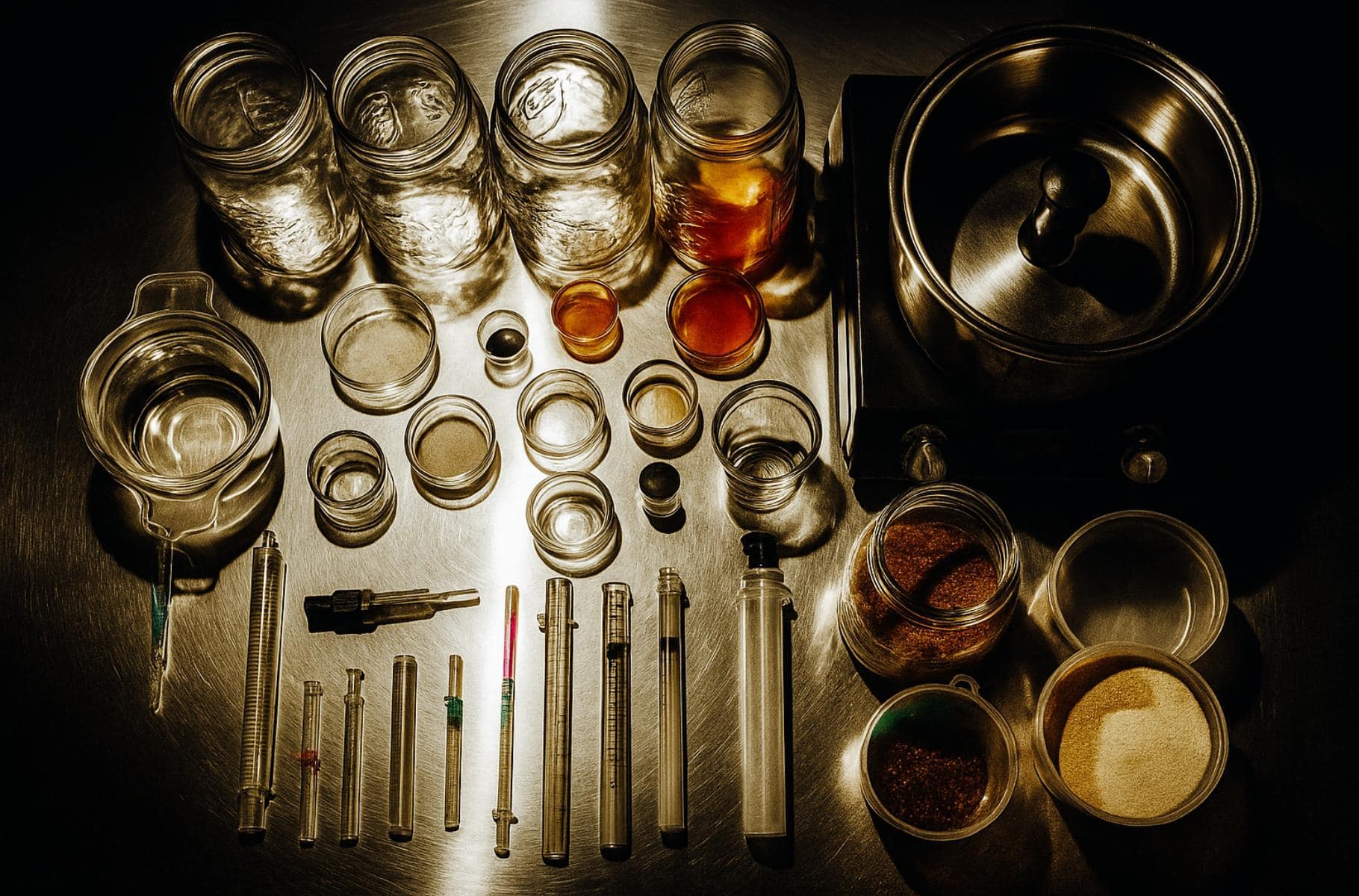
Required Equipment:
- Pressure cooker or autoclave (15 PSI capability)
- Glass mason jars with modified lids
- Magnetic stir bar and stirrer (optional but recommended)
- Syringe filters (0.22 micron) or micropore tape
- Self-healing injection ports
- Still air box or laminar flow hood
- 70% isopropyl alcohol
- Butane torch or alcohol lamp
Ingredients You’ll Need:
- Distilled or reverse osmosis water
- Nutrient source (see recipes below)
- Clean mushroom culture or liquid culture syringe
The Top 5 Liquid Culture Recipes That Actually Work
After extensive testing and community feedback, these recipes consistently produce vigorous, contamination-free liquid cultures. Each recipe makes approximately 600ml of liquid culture.
1. Light Malt Extract (LME) Recipe – The Gold Standard
This is the most reliable recipe for beginners and pros alike:
- 600ml distilled water
- 1g light malt extract (1.67g per liter)
- Optional: 0.5g nutritional yeast
Mix ingredients until dissolved, pour into jars, and sterilize at 15 PSI for 30 minutes. The resulting clear solution allows easy visibility of mycelial growth and contamination detection.
2. Karo Corn Syrup Recipe – The Budget Option
Perfect for those seeking an economical solution:
- 600ml distilled water
- 24ml light Karo syrup (4% solution)
This simple two-ingredient recipe produces excellent results for most gourmet species including oyster, shiitake, and chestnut mushrooms.
3. Honey Recipe – The Natural Choice
For those preferring organic ingredients:
- 600ml distilled water
- 24g raw honey (4% solution)
Note: Use raw, unprocessed honey. The natural enzymes and minerals support robust mycelial growth.
4. Advanced Peptone Recipe – The Professional’s Choice
This recipe maximizes growth speed and vigor:
- 600ml distilled water
- 20ml Karo syrup
- 1.2g light malt extract
- 1g bacteriological peptone
The addition of peptone provides nitrogen and amino acids, resulting in exceptionally fast mycelial expansion.
5. Potato Dextrose Recipe – The Classic
A time-tested formula used in laboratories worldwide:
- 600ml distilled water
- 20g dextrose
- 4g potato starch
This recipe closely mimics commercial PDA (Potato Dextrose Agar) media used in university research settings.
Step-by-Step Liquid Culture Preparation
Now that you’ve chosen your recipe, let’s walk through the preparation process. Sterility is paramount—one contaminated culture can ruin your entire batch.
Step 1: Prepare Your Workspace
Clean your work area thoroughly with 70% isopropyl alcohol. If using a still air box, spray the interior and let it settle for 5 minutes. According to Utah State University Extension guidelines, maintaining a sterile environment is crucial for successful mushroom cultivation.
Step 2: Mix Your Nutrient Solution
- Measure ingredients precisely using a digital scale
- Add nutrients to warm (not boiling) distilled water
- Stir until completely dissolved
- Check that no particles remain—clarity is key
Step 3: Prepare Jars and Lids
- Drill a 1/4″ hole in each lid
- Cover hole with micropore tape or install injection port
- Add magnetic stir bar to jar (if using)
- Fill jars 2/3 full with nutrient solution
- Tighten lids finger-tight (not overtightened)
Step 4: Sterilization
- Place jars in pressure cooker with 2-3 inches of water
- Bring to 15 PSI pressure
- Maintain pressure for 30 minutes
- Allow natural pressure release
- Let jars cool to room temperature before inoculation
Step 5: Inoculation
Working in your still air box or flow hood:
- Flame sterilize needle until red-hot
- Allow to cool for 10 seconds
- Inject 1-2ml of starter culture through injection port
- Cover injection site with fresh micropore tape
Step 6: Incubation and Agitation
- Store at 70-80°F (21-27°C)
- Agitate daily by swirling or using magnetic stirrer
- Watch for cloudy growth within 3-7 days
- Full colonization typically occurs within 10-14 days
Troubleshooting Common Liquid Culture Problems
Even experienced cultivators encounter issues. Here’s how to diagnose and fix common problems:
Problem: No Growth After 7 Days
Solutions:
- Check temperature (should be 70-80°F)
- Verify culture viability on agar
- Ensure proper nutrient concentration
- Try different nutrient recipe
Problem: Contamination (Unusual Colors or Smells)
Solutions:
- Discard immediately—never try to save contaminated cultures
- Review sterilization procedures
- Check pressure cooker seal and gauge accuracy
- Improve aseptic technique
Problem: Slow or Weak Growth
Solutions:
- Increase agitation frequency
- Add trace nutrients (yeast extract)
- Verify pH (should be 5.5-6.5)
- Try fresh parent culture
Advanced Tips for Liquid Culture Success
Want to take your liquid culture game to the next level? These pro tips will help you achieve consistent, professional results:
1. Use Antibiotics Wisely
While not necessary for most home cultivators, adding gentamicin sulfate (50mg/L) can prevent bacterial contamination without affecting mycelial growth. This technique is commonly used in commercial mushroom production facilities.
2. Implement Quality Control
Always test new liquid cultures on agar before large-scale use. This simple step can save entire crops from contamination.
3. Optimize Storage Conditions
Properly stored liquid cultures remain viable for 6+ months when refrigerated at 35-40°F (2-4°C). Add a few drops of mineral oil on top to prevent evaporation during long-term storage.
4. Master the Art of Expansion
Start with 10ml master cultures and expand to larger volumes as needed. This minimizes contamination risk while maximizing efficiency.
5. Document Everything
Keep detailed records of recipes, growth rates, and contamination issues. This data becomes invaluable for optimizing your process.
Liquid Culture vs. Other Inoculation Methods
Understanding when to use liquid culture versus other methods helps optimize your cultivation strategy:
| Method | Colonization Time | Contamination Risk | Cost | Best Use Case |
|---|---|---|---|---|
| Liquid Culture | 7-14 days | Low | Medium | Production grows |
| Spore Syringe | 14-30 days | Medium | Low | Genetic diversity |
| Agar | 10-20 days | Very Low | High | Isolation work |
| Grain-to-Grain | 5-10 days | Medium | Low | Bulk expansion |
Species-Specific Liquid Culture Considerations
Different mushroom species have unique preferences. Here’s what works best for popular gourmet varieties:
Oyster Mushrooms (Pleurotus spp.)
- Thrive in basic recipes (LME or Karo)
- Vigorous growth at room temperature
- Can use higher nutrient concentrations (up to 6%)
Shiitake (Lentinula edodes)
- Prefer complex nutrients (add yeast extract)
- Slower growth—patience required
- Benefits from wood-based supplements
Lion’s Mane (Hericium erinaceus)
- Sensitive to high sugar concentrations
- Keep nutrients below 3%
- Requires frequent agitation
Reishi (Ganoderma lucidum)
- Extremely slow growing
- Add trace minerals for best results
- Can take 3-4 weeks to fully colonize
Scaling Up: From Hobby to Commercial Production
Ready to take your liquid culture production to commercial levels? Consider these factors:
Equipment Upgrades
- Laminar flow hood for consistent sterility
- Autoclave for reliable sterilization
- Orbital shaker for automated agitation
- Peristaltic pump for sterile transfers
Regulatory Considerations
When scaling up, ensure compliance with local regulations. Many jurisdictions require specific permits for commercial mushroom cultivation. The USDA National Organic Program provides guidelines for organic mushroom production if that’s your market focus.
Quality Assurance Protocols
Implement standard operating procedures (SOPs) including:
- Batch tracking and labeling
- Contamination rate monitoring
- Growth rate standardization
- Customer feedback integration
The Economics of Liquid Culture
Let’s break down the numbers to understand why liquid culture makes financial sense:
Cost Analysis (per 500ml jar):
- Nutrients: $0.50-$2.00
- Energy (sterilization): $0.25
- Labor: $5.00 (15 minutes @ $20/hour)
- Total: ~$7.00 per jar
Value Generated:
- Each jar can inoculate 10-20 bags
- Each bag yields 1-2 lbs of mushrooms
- Potential value: $100-400 in mushroom sales
The return on investment is clear—liquid culture technology pays for itself many times over.
Environmental Impact and Sustainability
Liquid culture isn’t just good for your wallet—it’s better for the planet too. By reducing colonization time and increasing success rates, you’re:
- Using less energy for climate control
- Reducing substrate waste from failed grows
- Minimizing plastic waste from multiple spore syringes
- Supporting sustainable food production
Future Innovations in Liquid Culture Technology
The field of liquid culture is rapidly evolving. Emerging trends include:
- Bioreactor systems: Automated nutrient delivery and pH control
- Novel nutrients: Exploring agricultural waste products as growth media
- Genetic optimization: Selecting strains specifically for liquid culture performance
- IoT integration: Remote monitoring of culture parameters
Conclusion: Your Liquid Culture Journey Starts Now
Mastering liquid culture is a game-changer for mushroom cultivation. Whether you’re growing gourmet mushrooms for your family or scaling up to supply local restaurants, the speed, reliability, and efficiency of liquid culture will transform your operation.
Remember these key takeaways:
- Start with simple recipes and perfect your technique
- Prioritize sterility at every step
- Keep detailed records to optimize your process
- Don’t be discouraged by initial failures—even experts had to learn
Ready to accelerate your mushroom cultivation? Check out our premium liquid culture syringes to jumpstart your journey. With clean genetics and proven vigor, you’ll be harvesting gourmet mushrooms faster than ever before.
Happy cultivating, and may your cultures always be contamination-free!
