

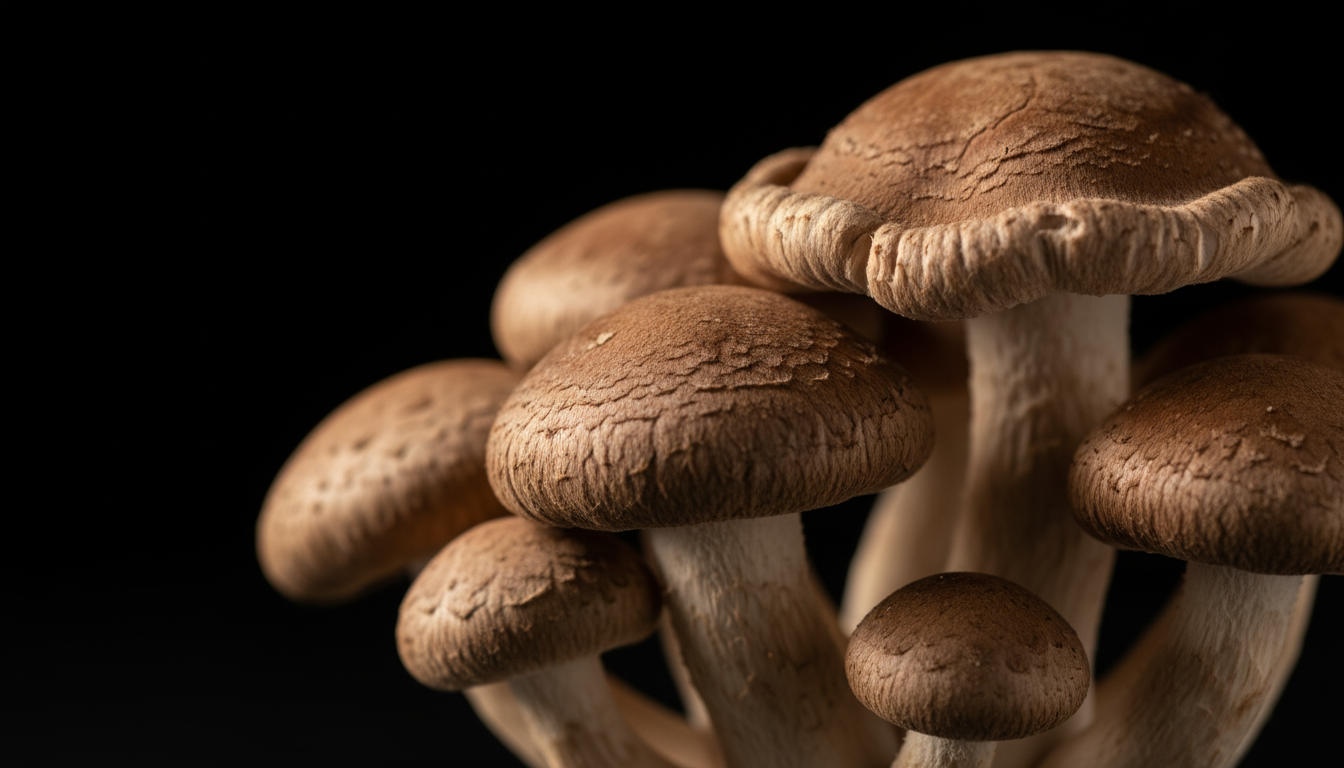
The shiitake mushroom stands as one of the most beloved culinary fungi worldwide. With its rich, umami flavor and impressive nutritional profile, this gourmet variety has captured the attention of home cultivators and professional growers alike. Whether you’re drawn to shiitake for its exceptional taste, health benefits, or the rewarding experience of growing your own, this comprehensive guide covers everything you need to know about cultivating and enjoying these remarkable mushrooms.
Known scientifically as Lentinula edodes, shiitake mushrooms have been cultivated in Asia for over a thousand years. They have a long history in East Asia, originating in the mountain regions of Japan, China, and Korea, where they have been traditionally used in local cuisine and medicine. Today, they represent the second most commercially produced mushroom globally, trailing only behind the common button mushroom. Their popularity stems from a perfect combination of culinary versatility, medicinal properties, and relative ease of cultivation once you understand their requirements. Additionally, studies suggest that shiitake mushrooms may offer a range of health benefits, with scientific research indicating potential effects on immunity, cholesterol, and disease prevention.
Shiitake Mushroom Characteristics and Identification
Identifying shiitake mushrooms correctly ensures you’re working with authentic genetics that will deliver the flavor and benefits you’re seeking. These distinctive fungi possess several recognizable features that set them apart from other mushroom varieties.
Shiitake mushrooms display caps ranging from 2 to 4 inches in diameter when fully mature. The cap color typically varies from tan to dark brown, often featuring lighter colored cracks or scales across the surface. This characteristic cracking pattern becomes more pronounced as the mushrooms mature and is considered a hallmark of quality shiitake specimens. Shiitake mushrooms are also recognized for their distinctive earthy flavor, which complements their unique visual characteristics.
Physical Features
The cap shape of shiitake mushrooms evolves throughout their development. Young specimens exhibit convex caps that gradually flatten with age. Some mature shiitakes develop slightly upturned edges, creating a distinctive umbrella-like appearance that makes them easily recognizable in cultivation settings.
The gills underneath the cap appear white to cream colored and run closely together. These gills attach to the stem in a pattern mycologists describe as adnexed or slightly decurrent. The stem itself grows firm and fibrous, measuring 1 to 2 inches in length with a consistent thickness of about half an inch.
Spore Characteristics
Shiitake mushrooms produce white spore prints, a key identifying feature for cultivators and foragers. The spores themselves measure approximately 5 to 6 microns in length and appear elliptical under microscopic examination. Understanding these spore characteristics becomes particularly valuable when working with spore syringes or expanding your cultivation efforts.

Cultivation Methods for Shiitake Mushrooms
Growing shiitake mushrooms successfully requires understanding the two primary cultivation approaches that have developed over centuries of refinement. Each method offers distinct advantages depending on your resources, space, and cultivation goals. Modern growers can choose between traditional log-based cultivation or the more controlled indoor sawdust method. In addition, some growers use artificial substrate as an alternative to natural logs, demonstrating the versatility of shiitake cultivation methods.
The cultivation journey begins with selecting quality spawn or shiitake liquid culture. Your choice of cultivation method will determine the specific substrate preparation and environmental management strategies you’ll employ throughout the growing process.
Log-Based Cultivation
Traditional log cultivation represents the time-honored approach to growing shiitake mushrooms. This method closely mimics the natural growth patterns of Lentinula edodes in forest environments. Cultivators select freshly cut hardwood logs, typically from oak, maple, or beech trees, measuring 3 to 8 inches in diameter and 3 to 4 feet in length. In nature, shiitake mushrooms typically grow on decaying hardwood trees, which provide the nutrients and environment needed for their development.
The inoculation process involves drilling holes into the logs and inserting spawn plugs or sawdust spawn. According to agroforestry cultivation guides, properly inoculated logs can produce mushrooms for 4 to 6 years, yielding multiple flushes of shiitake each year.
Hardwood Selection
Choosing the right wood species significantly impacts your cultivation success. Oak varieties perform exceptionally well, providing the ideal balance of nutrients and structure for shiitake colonization. Sugar maple and ironwood also support robust mycelial growth. Avoid softwoods like pine or cedar, as their resin content inhibits mushroom development.
Sawdust Substrate Method
Indoor cultivation using supplemented sawdust substrates has revolutionized shiitake production. This approach allows for year-round cultivation with significantly faster turnaround times compared to log cultivation. Research published in scientific journals demonstrates that optimized sawdust substrates can achieve biological efficiency rates exceeding 80 percent.
The substrate typically consists of hardwood sawdust supplemented with agricultural byproducts such as wheat bran, rice bran, or other nitrogen-rich amendments. The carbon-to-nitrogen ratio plays a crucial role in mushroom yield and quality. Studies show that substrates with balanced C:N ratios produce higher yields and healthier fruiting bodies.
Spawn Preparation
Preparing spawn for sawdust cultivation requires sterile technique and attention to detail. Many growers start with commercial spawn or create their own using liquid culture techniques. The spawn should colonize the substrate completely before initiating fruiting conditions, typically requiring 2 to 3 weeks in a controlled environment.

Nutritional Benefits and Health Properties
Shiitake mushrooms deliver an impressive array of nutritional compounds that contribute to their reputation as a functional food. These gourmet fungi provide substantial health benefits while remaining remarkably low in calories and fat. Understanding their nutritional profile helps explain why shiitake have been valued in traditional medicine for centuries. In addition, studies suggest that shiitake mushrooms may offer health benefits such as immune support, cholesterol reduction, and disease prevention, though more research is needed to confirm these effects. Shiitake mushrooms are also rich in essential nutrients that contribute to a healthy diet.
Fresh shiitake mushrooms contain approximately 125 calories per pound, making them an excellent choice for health-conscious consumers. Their low fat content combined with high fiber levels supports digestive health and satiety. The protein content in shiitake compares favorably to many vegetables, providing essential amino acids necessary for various bodily functions. Shiitake mushrooms also contain polysaccharides and other bioactive compounds that support immune health, helping to strengthen the immune system and provide anti-inflammatory benefits. Shiitake mushrooms are also used as dietary supplements due to their concentrated health benefits.
Vitamin and Mineral Content
Shiitake mushrooms serve as an excellent source of B vitamins, particularly niacin, riboflavin, and pantothenic acid. These vitamins play crucial roles in energy metabolism and nervous system function. The mineral profile includes significant amounts of selenium, copper, zinc, and manganese, all essential for immune function and antioxidant protection.
One particularly noteworthy characteristic of shiitake involves vitamin D production. When exposed to sunlight or UV light, shiitake mushrooms convert ergosterol to vitamin D2. According to University of California research, dried shiitake can contain substantially higher vitamin D levels than their fresh counterparts, making them valuable for individuals with limited sun exposure.
Immune Support Benefits
The bioactive compounds in shiitake have attracted scientific interest for their immune-modulating properties. Beta-glucans, particularly lentinan, represent the most studied compounds. These polysaccharides interact with immune cells in ways that may enhance natural defense mechanisms.
Research documented in nutrition journals indicates that regular consumption of shiitake mushrooms correlates with improved markers of immune function. The antioxidant compounds present in shiitake also help protect cells from oxidative stress, contributing to overall wellness.

Heart Health and Shiitake Mushrooms
Shiitake mushrooms are more than just a flavorful addition to your favorite dishes—they can also play a valuable role in supporting heart health. These mushrooms contain a unique compound called eritadenine, which has been shown to help lower cholesterol levels in the body. In addition, shiitake mushrooms are rich in beta glucans, a type of soluble fiber that reduces inflammation and prevents cholesterol from being absorbed in the intestines. Together, these compounds make shiitake mushrooms a smart choice for anyone looking to promote cardiovascular wellness.
Adding shiitake mushrooms to your diet is simple and delicious. Try incorporating them into stir fries, soups, or pasta dishes for a boost of nutrition and flavor. To cook shiitake mushrooms for optimal heart health benefits, slice them thinly and sauté them in a little oil over medium-high heat. This method helps the mushrooms caramelize, bringing out their natural umami flavor while keeping their texture tender. Whether you’re preparing a quick stir fry or a hearty soup, adding shiitake mushrooms is an easy way to support your heart and enjoy a savory, satisfying meal.
Culinary Uses and Cooking with Shiitake
The distinctive flavor profile of shiitake mushrooms sets them apart in the culinary world. These mushrooms deliver a rich, savory taste often described as umami, the fifth basic taste alongside sweet, sour, salty, and bitter. This complex flavor makes shiitake an invaluable ingredient in both traditional Asian cuisine and contemporary fusion dishes. Seasonings such as garlic, ginger, soy sauce, miso paste, tamari, and smoked paprika can further enhance the umami flavor of shiitake mushrooms.
Fresh shiitake offer a meaty texture and robust flavor that holds up well to various cooking methods. Their caps provide a tender bite while the stems contribute a chewier texture that some cooks prefer to remove or use separately in stocks and broths. The cooking process intensifies their natural umami characteristics, creating depth in soups, stir-fries, and sauces. Shiitake mushrooms can be the star ingredient in a variety of dishes, including stir-fries, soups, pasta, noodles, and more.
Dried shiitake concentrate flavor further, developing notes of smoke and earth. Rehydrating dried shiitakes in hot water for 20 to 30 minutes restores texture while creating a flavorful soaking liquid that can be used as a broth for stocks and gravies. Many chefs prefer dried shiitake, dried mushrooms, or dried ones for their pronounced, concentrated flavor. The soak step is crucial for unlocking their full potential.
When preparing shiitake for cooking, remove any woody stems and wipe the caps clean with a damp cloth. Avoid soaking fresh shiitake in water as they absorb moisture quickly and can become waterlogged. To prepare shiitake mushrooms, slice or use sliced caps to expose more surface area to heat, allowing for better caramelization and flavor development during cooking. Using a little oil and cooking over medium high heat helps achieve a golden, caramelized exterior and extra umami. Stir fry is a popular cooking technique, especially in Chinese cooking, where shiitake mushrooms are valued for their texture and flavor. To cook shiitakes, sautéing is a highly effective method that enhances their flavor and versatility in dishes, making them suitable for a wide range of recipes.
Popular preparation methods include sautéing with garlic and butter, adding to ramen and miso soup, incorporating into risotto, roasting with olive oil and herbs, or using in stir fry. Shiitake also excel in vegetarian dishes where their substantial texture provides a satisfying meat-like quality. Pairing shiitake with complementary ingredients like ginger, soy sauce, sesame oil, or thyme enhances their natural flavor profile. Pepper and paprika are excellent seasonings to further boost the flavor of shiitake dishes. Tamari is a great gluten-free alternative to soy sauce for seasoning, and miso paste can be added to sautéed shiitake mushrooms for extra umami.
Cooked shiitake mushrooms are great for meal prep and can be served as a side dish or added to other dishes. Adding shiitake mushrooms to your meals boosts nutrition and flavor, and there are many shiitake recipes and shiitake mushroom recipes to explore. Mushroom recipes in general often feature shiitake in noodles, stir fry, and other dishes.
If using raw shiitake mushrooms, be aware of their nutritional benefits but also the rare risk of shiitake dermatitis, a skin reaction in sensitive individuals. Always prepare shiitake mushrooms by cleaning, removing stems, and slicing before you cook shiitake mushrooms for optimal results. Properly cooked shiitake mushrooms develop extra umami and a caramelized exterior, making them a versatile and flavorful addition to any dish.
Using Dried Shiitake Mushrooms
Dried shiitake mushrooms are a pantry staple for anyone who loves bold, savory flavors in their cooking. Unlike fresh shiitake mushrooms, dried shiitake mushrooms have a concentrated umami flavor that adds depth to a wide range of dishes. They’re perfect for soups, stews, stir fries, and any recipe where you want to create a rich, savory taste.
To use dried shiitake mushrooms, simply soak them in hot water for about 20 to 30 minutes until they become plump and tender. Once rehydrated, slice the mushrooms thinly and add them to your dish. The soaking liquid itself is packed with umami flavor and can be used as a broth base for soups or sauces. Dried shiitake mushrooms pair especially well with ingredients like soy sauce and miso paste, which enhance their savory notes and create a satisfying, extra umami experience.
Because dried shiitake mushrooms have a long shelf life, they’re a convenient option to keep on hand for whenever you want to add a burst of flavor to your cooking. Whether you’re making a quick stir fry or a slow-simmered soup, dried shiitake mushrooms are a versatile ingredient that brings a delicious, earthy taste to any dish.
Common Mistakes When Cooking Shiitake Mushrooms
Cooking shiitake mushrooms is simple, but a few common mistakes can affect their texture and flavor. One of the most frequent errors is overcooking shiitake mushrooms, which can make them tough and rubbery. To avoid this, cook shiitake mushrooms over medium-high heat for just a few minutes, until they are caramelized and tender. This quick cooking method helps preserve their meaty texture and brings out their signature umami flavor.
Another mistake is not slicing the mushrooms thinly enough. Thick slices can be chewy and difficult to eat, so always slice shiitake mushrooms thinly before cooking. This allows them to cook evenly and develop a delicious caramelized exterior.
It’s also important to note that some people may be sensitive to raw shiitake mushrooms. Eating them uncooked can cause a skin reaction known as shiitake dermatitis, which results in an itchy rash. To prevent this, always cook shiitake mushrooms thoroughly before eating. By following these simple tips—using medium-high heat, slicing thinly, and cooking until caramelized—you’ll enjoy perfectly prepared shiitake mushrooms every time.
Growing Shiitake Mushrooms at Home
Home cultivation of shiitake mushrooms provides a rewarding experience that connects you directly to your food source. Starting your own shiitake operation requires initial investment in materials and spawn, but the ongoing yields make it economically viable for many enthusiasts. Success depends on understanding the specific environmental requirements and maintaining proper conditions throughout the cultivation cycle.
Beginning cultivators should start with either purchased spawn or quality liquid culture from reputable suppliers. While shiitake cultivation presents more challenges than easier species like oyster mushrooms, the superior flavor and market value justify the additional effort for many growers.
Choosing Your Substrate
Substrate selection fundamentally impacts your cultivation success. For outdoor log cultivation, select freshly cut logs from healthy hardwood trees during the dormant season. The logs should be cut 2 to 4 weeks before inoculation to allow the tree’s natural antimicrobial compounds to dissipate while maintaining adequate moisture content.
Indoor growers typically work with sterilized sawdust blocks or bags. These substrates require proper supplementation and thorough sterilization to prevent contamination. Many home cultivators find success using pre-made substrate blocks that eliminate the technical challenges of substrate preparation while ensuring consistent results.
Environmental Requirements
Temperature management plays a critical role in shiitake cultivation. During the colonization phase, maintain temperatures between 70 to 75 degrees Fahrenheit. Once colonization completes, shiitake require a temperature drop to initiate fruiting. Most strains fruit best at temperatures between 55 to 65 degrees Fahrenheit, though specific requirements vary among different shiitake genetics.
Humidity requirements differ between cultivation stages. During colonization, moderate humidity of 60 to 70 percent suffices. Fruiting demands higher humidity levels of 80 to 90 percent to support proper mushroom development and prevent drying. Using a fruiting chamber helps maintain these conditions in home growing environments.
Temperature and Humidity Control
Maintaining stable environmental conditions requires attention to detail and often some equipment investment. Temperature controllers paired with heating mats or cooling systems help regulate thermal conditions. Ultrasonic humidifiers provide consistent moisture levels, while fans ensure adequate air exchange without creating drafts that can dry out developing mushrooms.
Monitor conditions using digital thermometers and hygrometers placed at mushroom height rather than at room level. Small environmental variations can significantly impact fruiting success, making consistent monitoring essential for optimal yields. Many growers find that creating a dedicated growing space with environmental controls produces more reliable results than attempting to manage conditions in variable home environments.

Storing and Preserving Shiitake Mushrooms
Proper storage is key to maintaining the exceptional flavor and texture of your shiitake mushrooms, whether you’re working with fresh shiitakes from the market or dried shiitake mushrooms from your pantry. By following a few simple guidelines, you can extend the shelf life of your mushrooms and ensure they’re always ready to enhance your favorite dishes.
Common Questions About Shiitake Mushrooms
Cultivators frequently encounter similar questions and challenges when working with shiitake mushrooms. Understanding these common concerns helps troubleshoot issues and optimize your growing practices for better results.
How long does shiitake cultivation take from start to harvest? The timeline varies significantly based on your chosen method. Log cultivation requires patience, with first harvests appearing 6 to 12 months after inoculation. Sawdust block cultivation produces faster results, typically yielding mushrooms within 8 to 12 weeks from inoculation to first flush.
Can you grow shiitake alongside other mushroom varieties? While possible, shiitake often perform best when grown separately due to their specific temperature and humidity requirements. Species like king oyster or reishi have different environmental needs that may conflict with optimal shiitake conditions.
What causes poor mushroom development or low yields? Several factors contribute to suboptimal production. Inadequate humidity during fruiting frequently results in small, cracked mushrooms. Temperature fluctuations disrupt normal development cycles. Substrate contamination from improper sterilization limits colonization and reduces yields. Insufficient fresh air exchange can cause malformed mushrooms with elongated stems.
How many times will shiitake logs or blocks produce mushrooms? Log cultivation typically produces flushes twice yearly for 4 to 6 years under proper management. Sawdust blocks usually provide 2 to 3 flushes before substrate nutrients deplete. Allowing adequate rest periods between flushes and maintaining proper environmental conditions maximizes total production from your cultivation materials.
Are there different shiitake strains worth considering? Multiple shiitake strains exist with varying characteristics. Some strains excel in cooler temperatures while others tolerate warmth better. Certain genetics produce larger mushrooms or higher yields. Researching strain-specific requirements before purchasing spawn helps match your growing conditions to appropriate genetics for optimal results.
What is the best way to store dried shiitake mushrooms? Store dried shiitake mushrooms in an airtight container in a cool, dark place to preserve their flavor and extend shelf life.
Conclusion: Your Shiitake Growing Journey
Growing shiitake mushrooms offers rewards beyond the harvest. The process connects you to ancient cultivation traditions while providing fresh, nutritious food from your own setup. Success comes from understanding fundamental requirements and maintaining consistent conditions throughout each growing cycle.
Starting your cultivation journey requires learning and investment, but the skills transfer to other gourmet varieties. Many growers find that mastering shiitake opens doors to expanding their repertoire with other medicinal and culinary species. Track your methods and results to identify what works best in your specific situation.
Join online communities to share experiences and learn from others facing similar challenges. The collective knowledge accelerates your learning curve significantly. Each flush represents the successful orchestration of biological processes you’ve learned to manage and optimize, creating a deeply satisfying experience that continues rewarding dedicated growers year after year.
