

You've reached the end of the products!
Understanding Spore Prints: The Foundation of Mycological Study
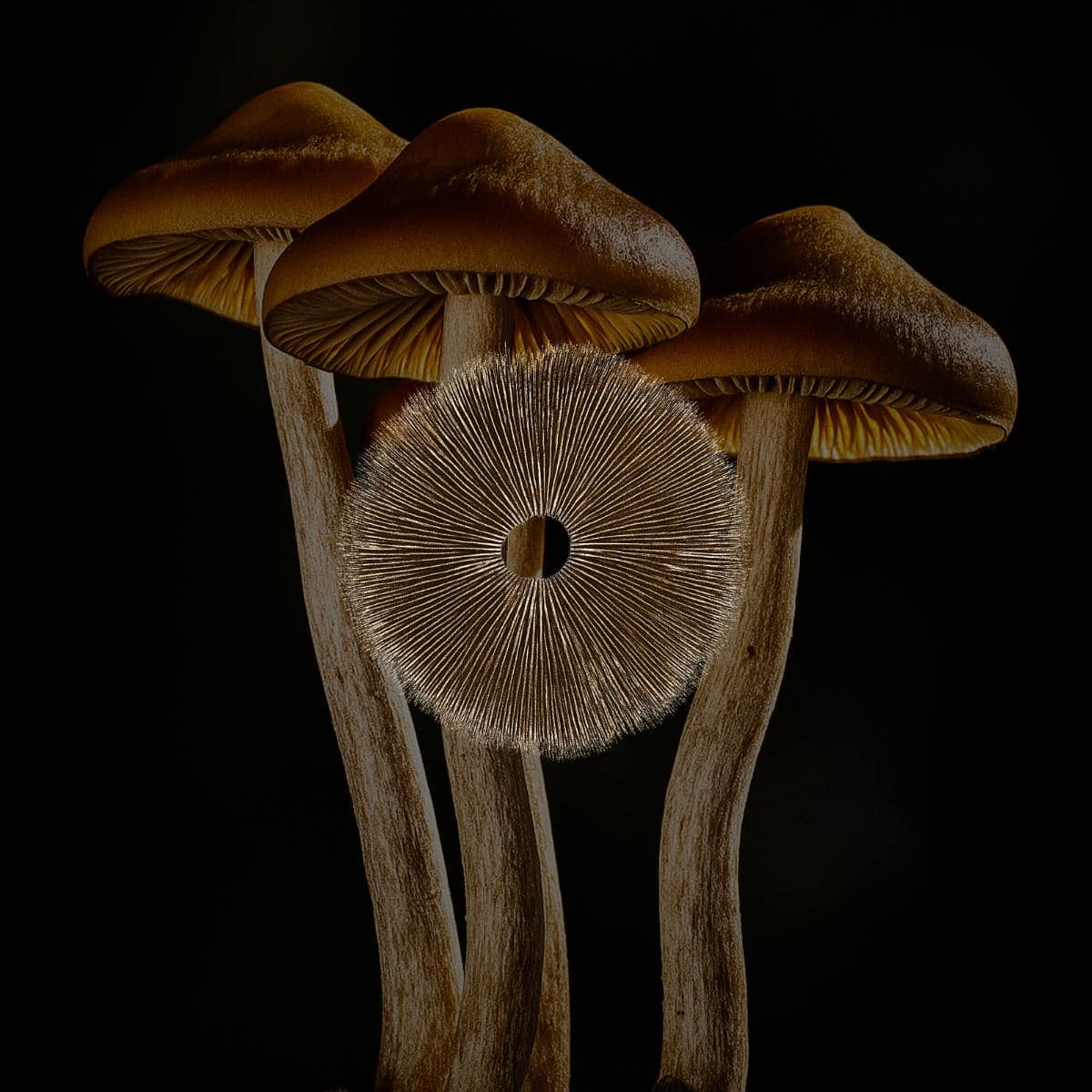
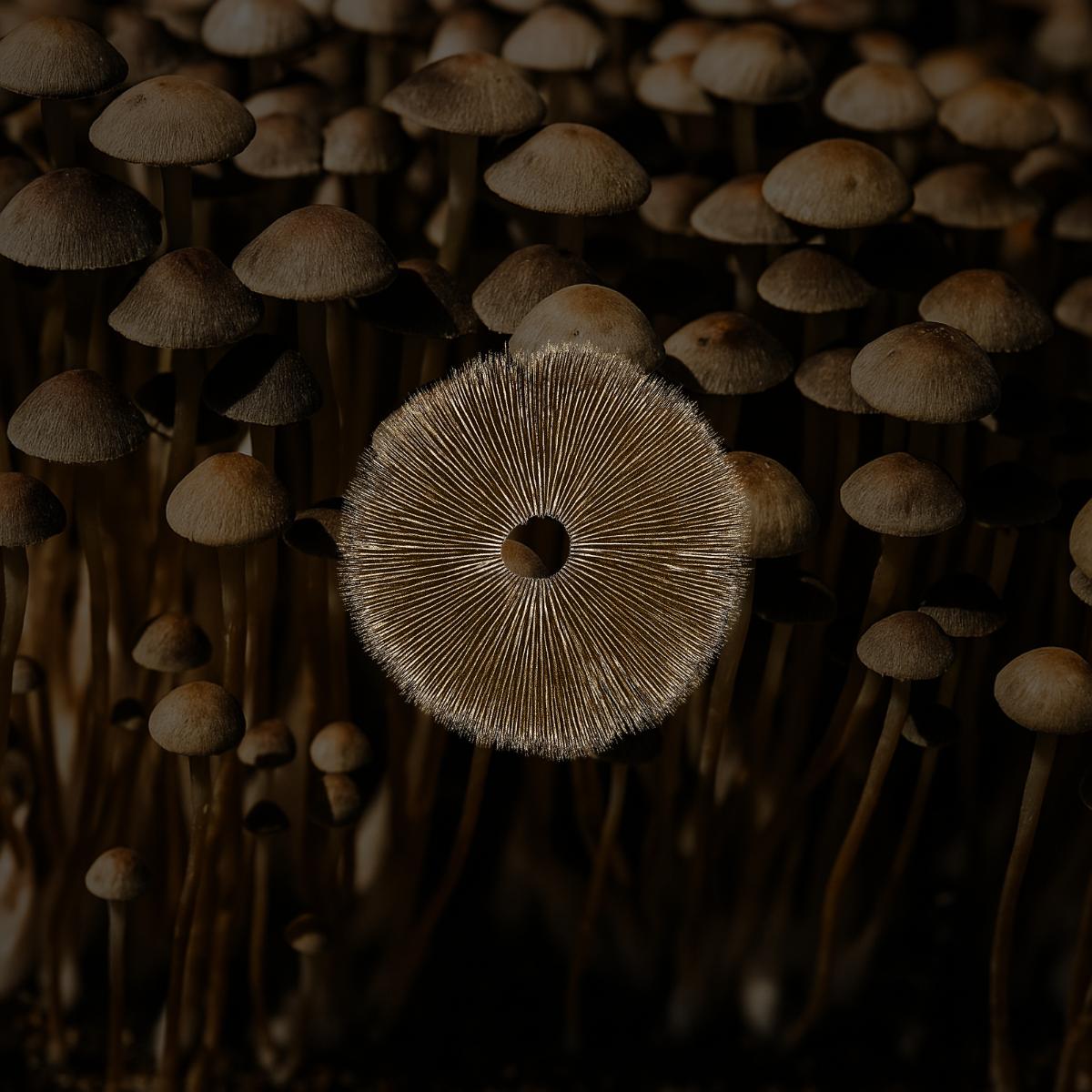
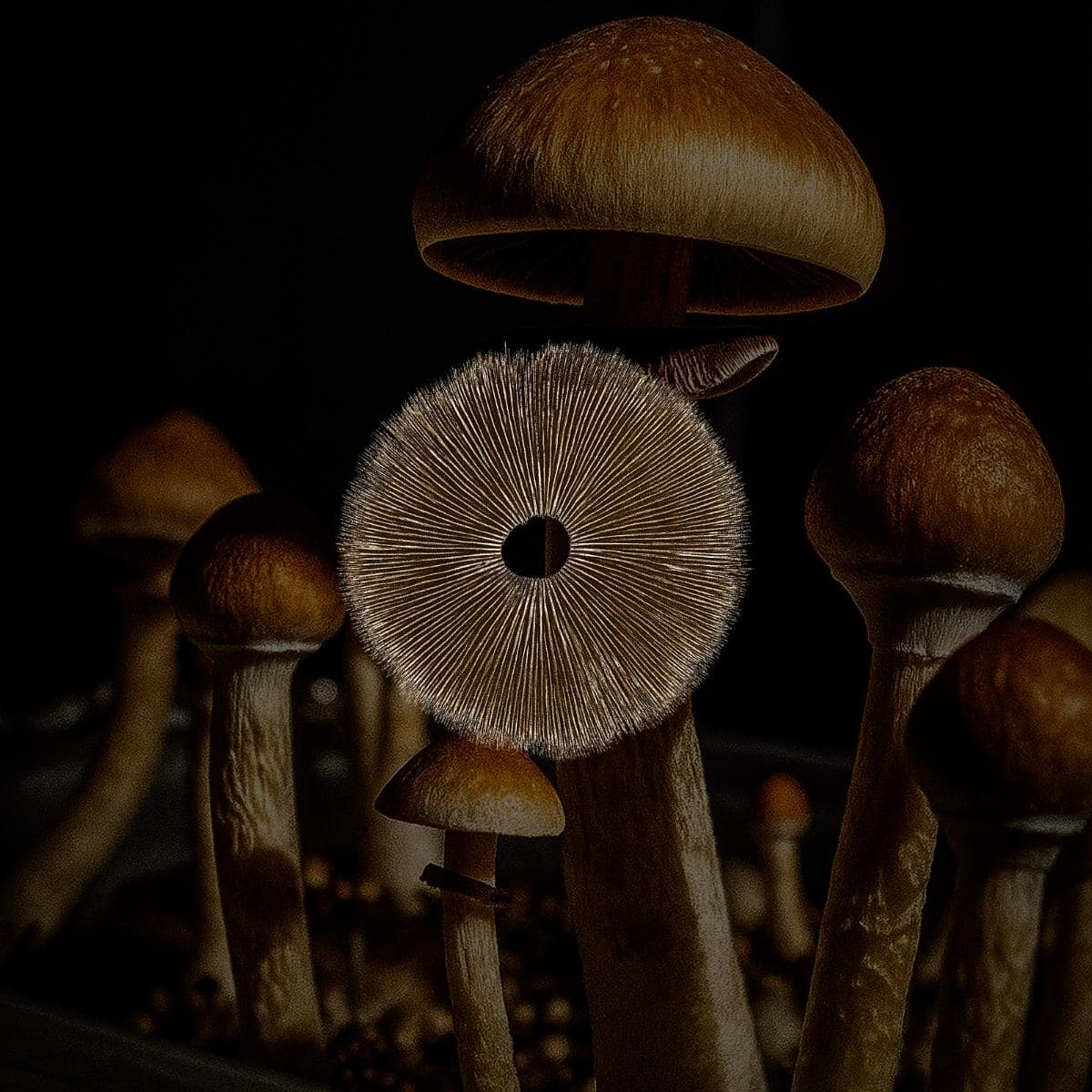
Spore prints are the natural spore deposits created when mature mushroom caps release their reproductive cells. Unlike spore syringes, which suspend spores in liquid, prints preserve spores in their dry, concentrated form - offering unique advantages for long-term storage and research applications.The science behind spore print formation:- Mature mushroom caps release billions of microscopic spores through specialized structures called basidia
- Spores fall in predictable patterns based on gill or pore arrangement, creating distinctive prints
- Each species produces characteristic spore colors ranging from white to black, purple, or rust-brown
- Print patterns serve as crucial identification tools in fungal taxonomy
- According to research published in NCBI, mushrooms use convective airflows to disperse spores effectively
Spore Prints vs Spore Syringes vs Liquid Cultures: Choosing Your Research Method
Understanding the differences between spore storage methods is crucial for selecting the right tool for your research or cultivation project. Here's our comprehensive comparison:Spore Prints: Maximum Longevity & Concentration
- Storage Life: 5-10+ years when properly stored (longest viability)
- Spore Density: Extremely high - millions of spores per square centimeter
- Best For: Long-term storage, collection building, microscopy research
- Preparation Required: Must be rehydrated before microscopy use
- Contamination Risk: Lowest when sealed properly
Spore Syringes: Ready-to-Use Convenience
- Storage Life: 6-12 months refrigerated
- Spore Density: Moderate - suspended in 10ml sterile water
- Best For: Immediate microscopy work, beginner-friendly
- Preparation Required: None - ready for slide preparation
- Contamination Risk: Low with proper sterile technique
Liquid Cultures: Cultivation Acceleration
- Storage Life: 2-6 months refrigerated
- Contains: Live mycelium, not spores
- Best For: Gourmet/medicinal cultivation projects
- Speed Advantage: 3x faster colonization than spores
- Legal Note: Only available for non-psilocybe species
Our Premium Spore Print Collection
Sacred Strain Prints (Microscopy Research Only)
Our Psilocybe cubensis print collection represents the gold standard in microscopy specimens. Each print is harvested at peak maturity, capturing optimal spore density and morphological characteristics for taxonomic study.Featured Sacred Strain Prints:- Wavy Cap Print (Psilocybe cyanescens) - Wood-loving species with unique spore characteristics
- Flying Saucer Print (Psilocybe azurescens) - Most potent known Psilocybe species
- Wild Cubensis Print - Original genetics from natural habitats
- TTBVII Print - Experimental hybrid with unique traits
How to Make & Store Spore Prints: Professional Techniques
While we provide ready-made prints, understanding the harvesting process enhances your appreciation of these specimens. The North American Mycological Association provides excellent educational resources on spore print techniques.Professional Spore Print Creation Process
Materials needed:- Mature mushroom caps (veil recently broken)
- Sterile aluminum foil or white paper
- Glass container or bowl for coverage
- Clean workspace with minimal air movement
- Select caps with open veils but intact gill structure
- Remove stem close to cap using sterile blade
- Place cap gill-side down on foil/paper
- Cover with glass to maintain humidity and prevent contamination
- Leave undisturbed for 12-24 hours in cool, dark location
- Carefully lift cap to reveal spore deposit
- Fold and seal print immediately to preserve
Long-Term Storage Best Practices
Proper storage can extend spore print viability beyond 10 years. Our research has identified these critical factors:- Temperature: Cool and stable (60-70°F ideal, refrigeration optional)
- Humidity: Low humidity environment with desiccant packets
- Light: Complete darkness - UV degrades spore viability
- Air Exposure: Minimal - seal in ziplock bags or airtight containers
- Labeling: Include species, date, and any relevant notes
Microscopy Applications & Research Techniques
Spore prints offer unique advantages for microscopy work, providing concentrated specimens for detailed morphological study. Here's how to prepare prints for observation:Preparing Spore Print Samples for Microscopy
- Rehydration: Scrape small portion of print into sterile water
- Dilution: Mix thoroughly to separate spore clumps
- Slide Preparation: Place drop on slide with cover slip
- Magnification: Start at 100x, move to 400x-1000x for detail
- Staining: Optional - use lactophenol cotton blue for contrast
Quality Assurance & The Fungushead Difference
Let's be real - buying spore prints online is a trust exercise. You're literally purchasing something you can't verify without a microscope. That's why our Clean Culture Guarantee exists.Our Quality Control Process
Every print undergoes:- Visual inspection for density and pattern uniformity
- Microscopic verification of spore morphology
- Contamination testing on sample sections
- Proper aging (minimum 48 hours) for spore maturation
- Sealed packaging with moisture control
What Makes Our Prints Superior
- Genetics Matter: We maintain isolated cultures to ensure genetic consistency
- Harvest Timing: Caps picked at optimal spore production window
- Clean Environment: HEPA-filtered rooms prevent contamination
- Double Sealed: Foil + plastic bag protection
- Batch Testing: Random samples tested from each harvest batch
Legal Compliance & Educational Purpose
Critical Legal Notice: All Psilocybe spore prints are sold strictly for microscopy, taxonomy, and educational purposes. Spores do not contain psilocybin or psilocin and are legal in most jurisdictions for research purposes.Federal law permits possession of Psilocybe spores for legitimate research. However, cultivation of psilocybin-producing mushrooms remains illegal. We maintain strict compliance with all applicable regulations. Review our complete legal disclaimer before ordering.Shipping restrictions: We cannot ship Psilocybe spores to California, Idaho, or Georgia. All orders subject to compliance verification.Beyond Microscopy: The Art & Science of Spore Prints
While our primary focus is microscopy research, spore prints have fascinating applications across multiple disciplines:Scientific Applications
- Taxonomy Studies: Species identification through spore color and morphology
- Genetic Preservation: Long-term storage of fungal genetics
- Educational Displays: Teaching tools for mycology courses
- Research Libraries: Reference collections for comparative studies
Artistic & Cultural Uses
- Natural Art: Prints create stunning patterns for display
- Photography Subjects: Macro photography of spore patterns
- Educational Workshops: Hands-on learning experiences
- Citizen Science: Contributing to fungal biodiversity documentation
Getting Started: Your Spore Print Research Journey
Ready to explore the microscopic world of fungal spores? Here's your roadmap:For Beginners
- Start with our Beginner Mixpack - includes easy-to-observe specimens
- Invest in a quality microscope (minimum 400x magnification)
- Read our Complete Mycology Guide
- Practice slide preparation techniques
- Join online microscopy communities for support
For Advanced Researchers
- Explore our exotic and rare specimen collection
- Compare morphological variations between strains
- Document observations for personal reference library
- Consider our Advanced Mixpack for comprehensive studies
- Experiment with different staining techniques
Start Your Microscopy Collection Today
Browse our complete selection of premium spore prints below. Each specimen includes detailed strain information, expected spore characteristics, and research notes from our cultivation team.Shop Spore PrintsFrequently Asked Questions About Spore Prints
How long do spore prints remain viable?
When stored properly in a cool, dry, dark environment, spore prints can remain viable for 5-10+ years. We've successfully germinated prints over 15 years old, though viability decreases over time. For best results, use within 2-3 years of harvest.What's the difference between foil and paper prints?
Foil prints offer superior long-term storage due to moisture resistance and ease of scraping spores. Paper prints work well for immediate use or artistic display but may degrade faster in humid conditions. We use foil for all prints unless specifically requested otherwise.Why are some strains only available as swabs?
Certain varieties like APE (Albino Penis Envy) produce very few spores, making traditional prints difficult. Swabs collect spores directly from gill surfaces, capturing genetic material from low-sporulating varieties. Both formats work equally well for microscopy.Can I make a spore syringe from a print?
Yes, prints can be rehydrated to create spore solutions for microscopy. Simply scrape spores into sterile water, mix thoroughly, and draw into a sterile syringe. This allows you to create multiple syringes from a single print for extended research.How do I know if my spore print is contaminated?
Contamination typically appears as unusual colors (green, black, or orange patches) or fuzzy growth on the print surface. Quality prints should show only the characteristic spore color for the species. When in doubt, examine a small sample under microscopy before use.What magnification do I need to see spores clearly?
Minimum 400x magnification reveals basic spore shape and size. For detailed study of surface features and internal structures, 1000x (oil immersion) is recommended. Most hobbyist microscopes in the $200-500 range provide adequate magnification for spore research.Join thousands of satisfied researchers who trust Fungushead for premium spore prints and exceptional customer support.Read Customer Reviews |
Our Story |
Expert Support |
Complete FAQ
Additional Resources for Spore Print Research
Expand your knowledge with these carefully curated resources:Internal Guides & Education
- Blue Meanie Strain Spotlight - Deep dive into a prolific spore producer
- Understanding Enigma - Exploring mushroom mutations
- Stargazer Revealed - Characteristics of this unique variety
- Cultivation Basics - For gourmet species only
- Complete Mycology Glossary - Terminology reference
External Scientific Resources
- NAMA Spore Print Guide - Professional techniques
- University Educational Resource - Academic approach
- Spore Dispersal Research - Scientific study on mushroom spore release